If you have ever driven through Bernardsville and felt that some parts of town seem to operate on a different rhythm, you are not imagining it. The borough’s estate neighborhoods stand apart because they were shaped by history, land, and planning in ways that still influence how they look and live today. If you are trying to understand what makes these areas distinct, this guide will help you see the patterns clearly and know what to expect. Let’s dive in.
A Historic Estate Legacy Still Shows
Bernardsville’s estate neighborhoods are not a recent luxury trend. Their roots trace back to the late 19th and early 20th centuries, when rail service reached Bernardsville in 1872 and wealthy business owners began creating country estates on the mountain north of the village.
That history matters because it explains why the estate landscape feels so established. Local history materials describe Bernardsville as a Mountain Colony retreat, where large estates were built to enjoy the countryside. In other words, the estate character is part of the borough’s identity, not something added later.
Large Lots Shape the Experience
One of the clearest differences in Bernardsville’s estate areas is lot size. The borough’s zoning code sets large minimum lot areas in several residential districts, including 137,500 square feet in R-1-10, 110,000 square feet in R-1, and 70,000 square feet in R-1A.
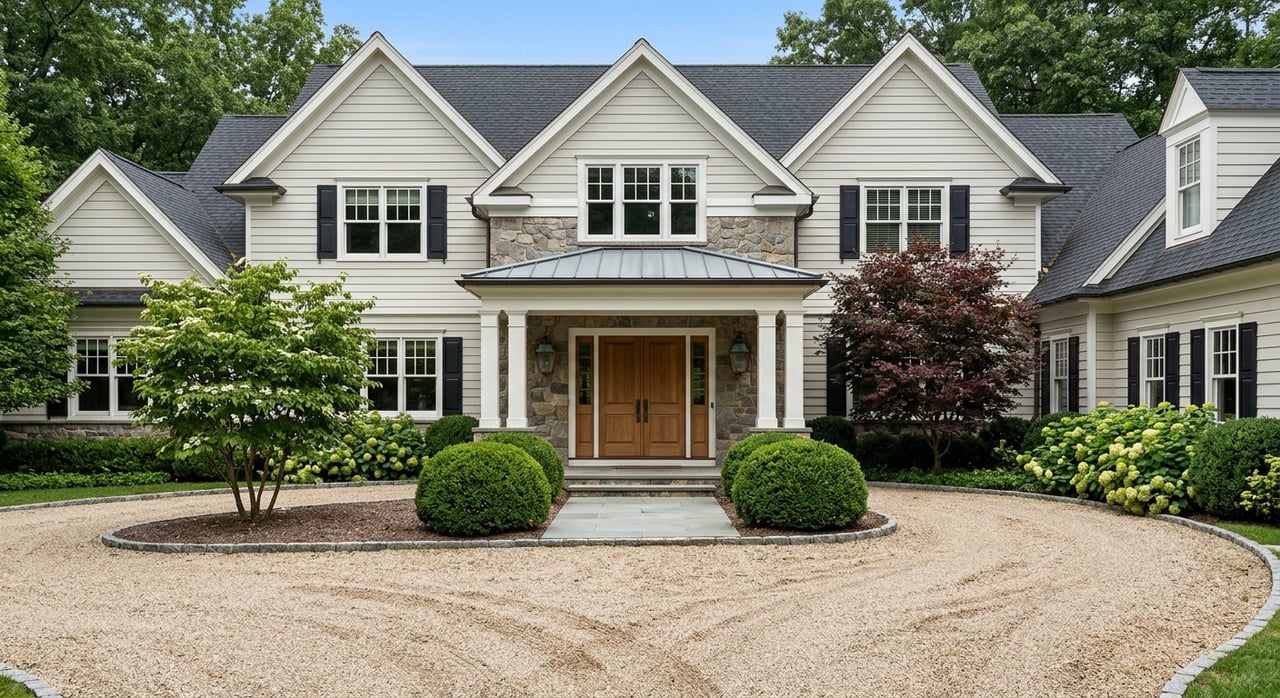
Those standards help create the low-density pattern many buyers notice right away. Instead of compact subdivision streets or tightly spaced homes, you are more likely to see detached single-family houses on substantial parcels with wooded separation and a stronger sense of privacy.
This also helps explain why estate neighborhoods often feel quieter and more open. The spacing between homes, the depth of lots, and the natural landscape all work together to create a setting that feels removed from a typical suburban layout.
Estate Areas Differ From Village Blocks
Bernardsville is not all one type of neighborhood, and that contrast is part of what makes the estate sections stand out. For example, the Olcott Avenue Historic District just north of downtown was planned as a middle-class neighborhood with moderate-sized lots and regular setbacks.
That pattern is very different from the mountain estate areas. In the village-adjacent sections, the rhythm is more compact and traditional, while the estate neighborhoods read as larger-scale residential settings with more land and more visual separation between homes.
For buyers, this distinction is useful. It means Bernardsville offers more than one residential experience, and the estate neighborhoods appeal most to people looking for acreage, a lower-density setting, and a country-house feel close to town.
Architectural Variety Adds Character
Another reason these neighborhoods feel distinct is that they are not defined by a single home style. Bernardsville is architecturally varied, and that variety adds depth to the estate setting.
Local district materials describe styles in and around Bernardsville that include Colonial Revival, Tudor Revival, Craftsman, Shingle, and other late 19th- and early 20th-century forms. The downtown guidebook also notes a mix of masonry, stucco, siding, porches, sloped roofs, and older residential-type buildings.
That broader architectural mix carries over into how buyers often experience Bernardsville’s estate fabric. Rather than a neighborhood of near-identical homes, you are more likely to find substantial historic houses, period details, and in some cases outbuildings that reflect the area’s earlier estate pattern.
Historic Features Go Beyond the Main House
Part of the estate identity comes from features beyond the primary residence. In historic estate settings, supporting structures and landscape elements often play a big role in how a property feels.
A useful example is Cross Estate, where the National Park Service identifies the house as Queen Anne Farm before it became Hardscrabble House, and notes surviving features such as a stone water tower and historic garden landscape. That kind of layered property history helps illustrate a broader point about Bernardsville.
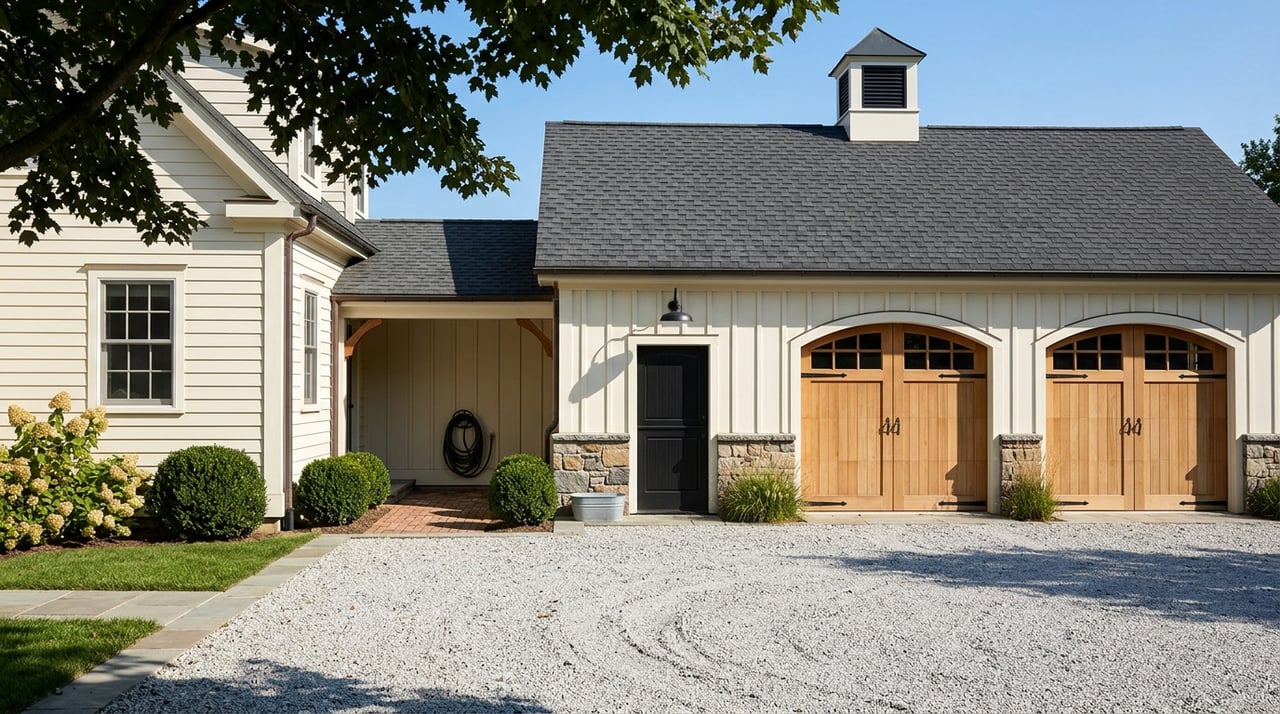
When you explore estate areas here, you may be looking at more than just square footage and bedroom count. You may also see carriage-house style structures, garages with historic character, mature grounds, and site elements that reflect an earlier era of country-estate living.
Privacy and Village Access Coexist
A major part of Bernardsville’s appeal is that secluded living does not mean total isolation. The estate neighborhoods may feel private and wooded, but they are still closely tied to the village.
In August 2025, New Jersey designated Bernardsville as a Transit Village, with a stated goal of supporting a pedestrian-friendly downtown centered on the historic train station and encouraging mixed-use development near transit. NJ TRANSIT also identifies Bernardsville Station on the Morris & Essex line and notes station amenities including parking and bike facilities.
That combination is unusual and valuable. You can have a more removed residential setting while still being connected to a compact downtown and an established rail stop.
Outdoor Access Is Part of the Lifestyle
The estate neighborhoods are also shaped by the surrounding natural setting. Bernardsville’s recreation planning points to amenities such as a municipal pool, athletic fields, summer camps, and natural spaces, while local trail information shows that former estate lands and historic corridors now support outdoor recreation.
Places such as Peters Tract, Laurelwood/Round Top, Kirkpatrick Park, and the Old Army Trail help reinforce the area’s nature-adjacent character. This is one reason Bernardsville’s estate neighborhoods often feel different from more typical suburban communities.
You are not just buying into large lots. You are buying into a landscape where preserved open space, trails, and a sense of topography shape daily life.
What Buyers Should Expect
If you are considering Bernardsville’s estate neighborhoods, it helps to go in with the right expectations. These areas tend to offer a historic, low-density, nature-adjacent setting rather than a conventional subdivision pattern.
That can mean a few practical things:
- Larger parcels and more land to maintain
- Greater visual privacy from neighboring homes
- A wider mix of home styles and ages
- Historic details or outbuildings that add character
- Close ties to the village center and rail service
- Easy access to trails, open space, and recreation
For some buyers, that combination is the main draw. It offers a setting that feels established and distinctive, with more texture than a newer neighborhood built from a single plan.
Why This Matters for Sellers
If you own a home in one of Bernardsville’s estate areas, understanding these differences matters when it is time to sell. Estate properties usually benefit from a marketing approach that highlights the full picture, including lot scale, setting, architectural character, historic context, and proximity to village amenities.
That is especially important in a market where buyers may compare an estate property to newer suburban homes that offer a very different experience. Strong positioning can help your home stand out for what actually makes it special, instead of letting it be judged by the wrong frame of reference.
For sellers of long-held properties, this often also means preparing the home carefully and presenting the land, approach, and supporting features in a way that feels organized and compelling. In estate-scale transactions, the details matter.
Bernardsville’s Estate Identity in One View
What makes Bernardsville’s estate neighborhoods distinct is not just one feature. It is the combination of historic roots, large lot zoning, architectural variety, wooded separation, preserved landscape, and a real connection to village life.
That mix gives these neighborhoods a character that feels both private and grounded. If you are drawn to places with acreage, history, and a sense of permanence, Bernardsville offers a residential pattern that is hard to confuse with a standard suburban neighborhood.
Whether you are buying or preparing to sell, clear local context helps you make better decisions. If you want experienced guidance on Bernardsville and other estate-scale markets in Somerset County, connect with William Carey for a thoughtful, data-driven conversation.
FAQs
What makes Bernardsville estate neighborhoods different from typical suburban neighborhoods?
- Bernardsville estate neighborhoods stand out for their large lots, lower-density layout, historic country-estate roots, architectural variety, and connection to both open space and village amenities.
Are Bernardsville estate homes all the same architectural style?
- No. Bernardsville is known for architectural variety, with styles associated with late 19th- and early 20th-century development, including Colonial Revival, Tudor Revival, Craftsman, Shingle, and other period forms.
How large are lots in Bernardsville estate areas?
- Borough zoning sets substantial minimum lot sizes in key districts, including 137,500 square feet in R-1-10, 110,000 square feet in R-1, and 70,000 square feet in R-1A.
Do Bernardsville estate neighborhoods still have access to downtown and transit?
- Yes. Even with their secluded feel, these neighborhoods remain tied to village life, and Bernardsville Station on the Morris & Essex line supports rail access along with parking and bike facilities.
What kind of lifestyle do Bernardsville estate neighborhoods offer?
- These neighborhoods combine privacy, wooded surroundings, historic character, proximity to a compact village center, and access to trails, parks, and other recreation spaces.
Why is local context important when selling a Bernardsville estate property?
- Local context helps buyers understand the value of features such as lot scale, historic setting, architectural character, and the balance of privacy and village access, which can be very different from a standard suburban home comparison.