Wondering whether a historic home in Mendham Township is a dream purchase or a project waiting to happen? The answer is often both. If you are drawn to older homes for their character, setting, and story, it helps to understand how these properties fit into Mendham Township’s history, what updates may matter most, and which local approvals can affect your plans. Let’s dive in.
Mendham Township’s Historic Homes Have Range
Mendham Township was founded in 1749, and its historic identity still shows up clearly across the community. Township preservation materials identify five historic districts: Brookside, Combs Hollow, Ralston, Tempe Wick/Washington Corners, and Washington Valley. At the same time, the township master plan notes that most housing was built after 1960, while 9.4% of homes were built in 1939 or earlier.
That mix matters when you start shopping. A historic home in Mendham Township is not always part of a uniform streetscape or a single architectural style. Instead, the township’s preservation materials describe a layered residential landscape shaped over time by settlement, farming, mills, roads, and later residential growth.
Historic Districts Reflect Local Development
The township’s architecture materials show that the oldest districts generally follow early roads and settlement patterns. They include not only houses, but also former mills, schoolhouses, churches, barns, and outbuildings that helped define how the township grew.
For you as a buyer, that means context is important. A home’s appeal may come from more than its façade alone. Its lot, outbuildings, additions, and relationship to the surrounding area may all be part of its history.
Styles Span Several Eras
Mendham Township’s preservation resources point to a broad range of architectural forms. These include vernacular log cabins, East Jersey cottages, Georgian, Federal, Greek Revival, Italianate, Shingle Style, Craftsman, Colonial Revival, Eclectic Revival, and later modern homes.
In practical terms, two historic homes in the same township may have very different upkeep needs. One may have a simple early form with modest detailing, while another may include later decorative elements, additions, or exterior changes that affect both maintenance and renovation planning.
Many Historic Homes Have Evolved Over Time
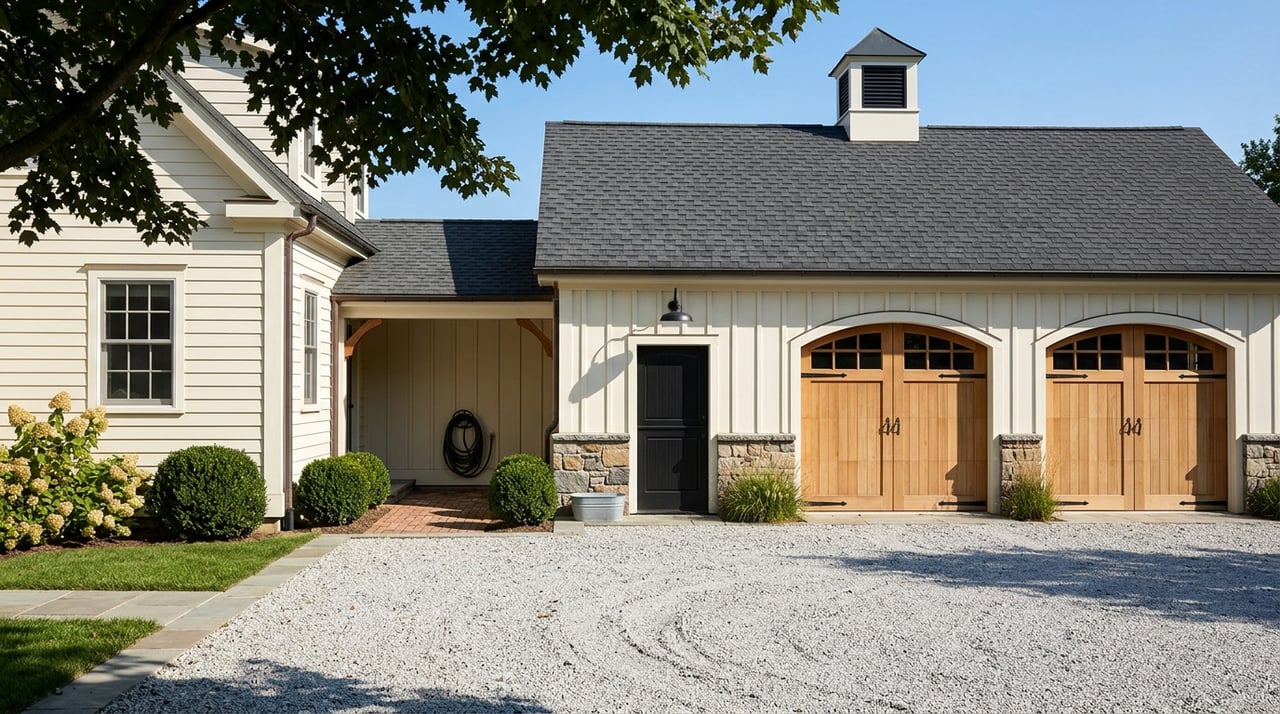
One of the most important things to understand is that older homes in Mendham Township are often not untouched originals. Township preservation materials describe houses that were expanded, altered, converted, or renovated over the years, including former schoolhouses turned into residences and mill buildings adapted for private use.
That is often a positive, not a problem. It means the ownership story matters as much as the original construction date. A home may combine original materials with practical updates from different eras, and your job is to understand what was changed, when, and how well it was done.
Common Features You May Encounter
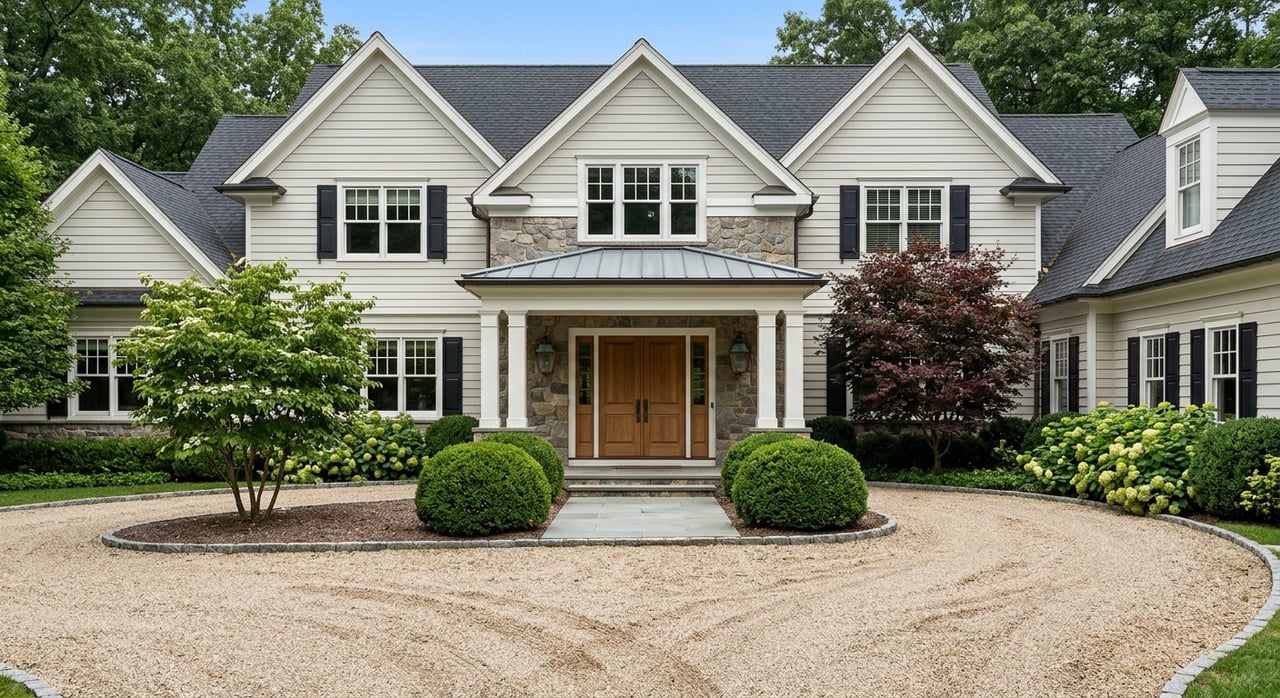
Historic properties in Mendham Township may include features such as:
- Fieldstone foundations
- Clapboard or flush-board siding
- Gable and gambrel roofs
- Sash windows with shutters
- Side-hall and center-hall floor plans
- Greek Revival porticos
- Dormers
- Stuccoed upper stories
- Half-timber detailing
Some district examples also show later changes such as enlarged wings, replaced windows, altered rooflines, and enclosed areas. When you tour homes, it helps to look at the property as a collection of original features and later decisions rather than assuming every element dates to the same period.
Focus on Roof, Windows, and Systems
When buying an older home, modernization choices usually center on the roof, windows, mechanical systems, and weatherization. Preservation guidance cited in the research notes that a weather-tight roof is essential and that roof shape can be a major part of a building’s architectural character.
Windows also deserve close attention. Historic windows can be an important visual feature, and repairs or replacements can affect both appearance and long-term performance. Mechanical upgrades and weatherization should also be planned carefully to avoid unnecessary damage to older materials.
Why Exterior Changes Matter More
In a newer home, replacing an exterior feature may feel straightforward. In a historic home, exterior changes are often more visible and more consequential. Mendham Township’s own preservation pages show many homes have already changed over time through additions, replacement windows, stucco applications, and enclosed wings.
That does not mean change is off limits. It means you should evaluate changes with more care. Before you buy, try to understand which features define the home’s current character and which updates may need thoughtful planning later.
Understand Local Review and Permit Requirements
Historic status and ownership rights are not the same thing. The key issue is often not whether a home is old, but what work you want to do and which township requirements apply.
In Mendham Township, the Historic Preservation Committee is established by ordinance as an advisory body. Township code says the committee prepares surveys, advises the Planning Board and Board of Adjustment, and can review development or demolition applications when those applications are forwarded to it.
For many buyers, the bigger day-to-day issue is the township permit process. Mendham Township’s Construction Department requires a permit package before work begins, and review time depends on the project scope. According to township guidance, a roofing permit may take a couple of days, an addition or alteration may take several weeks, and a new home may take several months.
Certain Projects May Trigger Added Local Review
Some work can involve more than a standard construction permit. Mendham Township requires a land-disturbance permit for projects that:
- Disturb more than 3,500 square feet of land
- Add 1,000 square feet or more of impervious cover
- Remove ten trees that are 10 inches or more in diameter
If work disturbs more than 5,000 square feet, Morris County Soil Conservation District approval is also required. The township also states that demolition of an existing principal structure, construction of a new principal structure, or an addition exceeding 50% of existing floor area requires a lot-development permit.
This is where due diligence matters. If you are considering a major renovation or expansion, it is wise to understand the likely process before you close, not after.
Check Permit History Before You Buy
Mendham Township clearly warns that work done without a permit is illegal and can create problems when selling. The township also notes that retro permits may be required when prior work was completed without approval.
That makes permit history one of the most important parts of buying an older home here. Ask the seller for records and confirm whether major work was properly permitted.
Ask About These Past Improvements
Before closing, try to verify records for:
- Roof replacement
- Window replacement
- HVAC work
- Additions or alterations
- Septic work
- Well work
- Exterior changes that may have required township approval
If records are incomplete, that does not always end the deal. It does mean you should understand the risk, the likely next steps, and whether any follow-up with the township may be needed.
Septic and Well Due Diligence Matters
For rural and semi-rural properties, septic and well history should be part of your core checklist. Mendham Township’s Board of Health requires permits to build or alter septic systems, drill wells, or conduct soil percolation tests.
The resale process also includes certificates of continued use for septic systems and potability documentation for wells. If the home you are considering relies on private systems, be sure you know their age, service history, permit status, and any documentation needed for closing.
Budget for Specialized Inspections and Planning
Historic homes can be rewarding to own, but they usually require more building-specific planning than newer construction. That is especially true when it comes to roofs, windows, weatherization, and mechanical upgrades.
For buyers, the smartest approach is usually a practical one. Budget for qualified inspectors and experienced contractors, review the permit trail early, and look at the property as a long-term stewardship decision rather than a simple cosmetic project.
If you are considering a historic home in Mendham Township, a calm, organized buying process can make all the difference. With the right due diligence, you can appreciate the home’s character while avoiding surprises that could affect your timeline or budget. If you want a local advisor who brings a detailed, hands-on approach to complex home purchases, William Carey can help you evaluate the property, the process, and the next steps with confidence.
FAQs
What makes a home historic in Mendham Township?
- Mendham Township has five identified historic districts, and its preservation materials describe a wide range of older homes and structures tied to the township’s early settlement and development patterns.
Do historic homes in Mendham Township always face strict renovation limits?
- Not necessarily. The township’s Historic Preservation Committee has an advisory role, while actual permit requirements depend on the work being done and which local approvals apply.
What should buyers check before purchasing an older home in Mendham Township?
- Buyers should review permit records, ask about past roof, window, HVAC, addition, septic, and well work, and confirm whether exterior changes were completed with proper township approvals.
Are septic and well records important for Mendham Township home purchases?
- Yes. For properties with private systems, the township requires permits for certain septic and well work, and resale paperwork includes septic continued-use and well potability documentation.
How long do permits take for home projects in Mendham Township?
- Township guidance says a roofing permit may take a couple of days, an addition or alteration may take several weeks, and a new home may take several months, depending on scope.