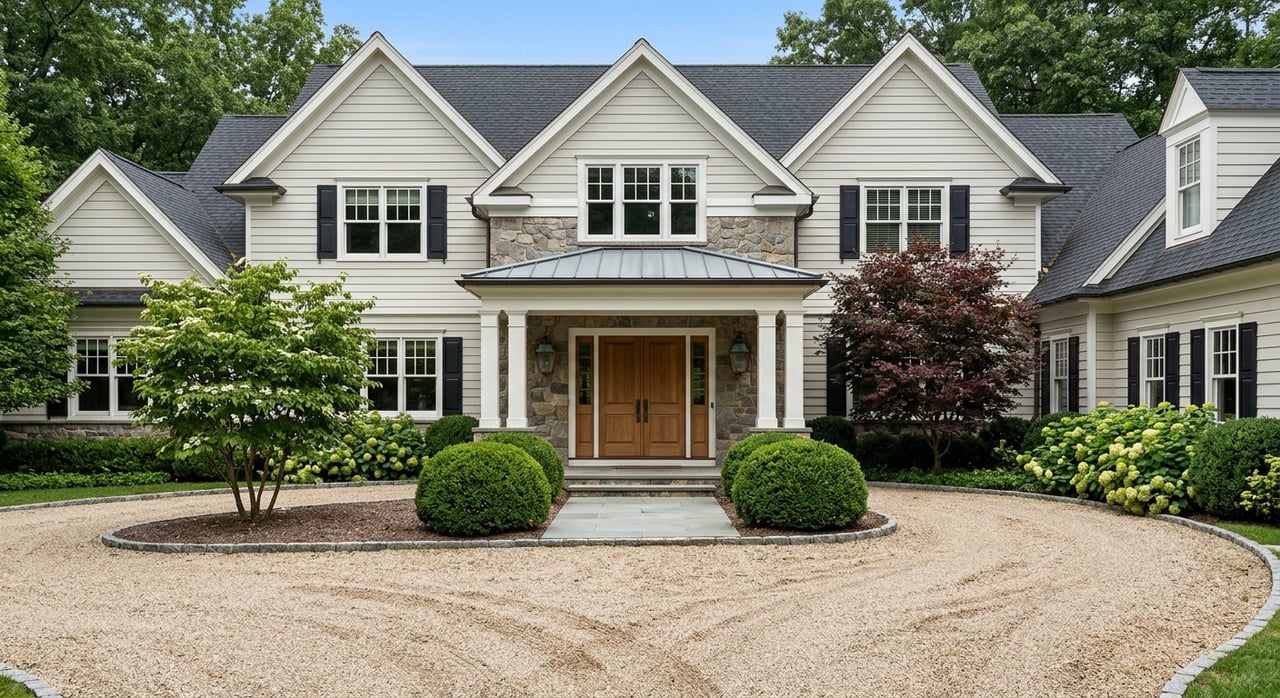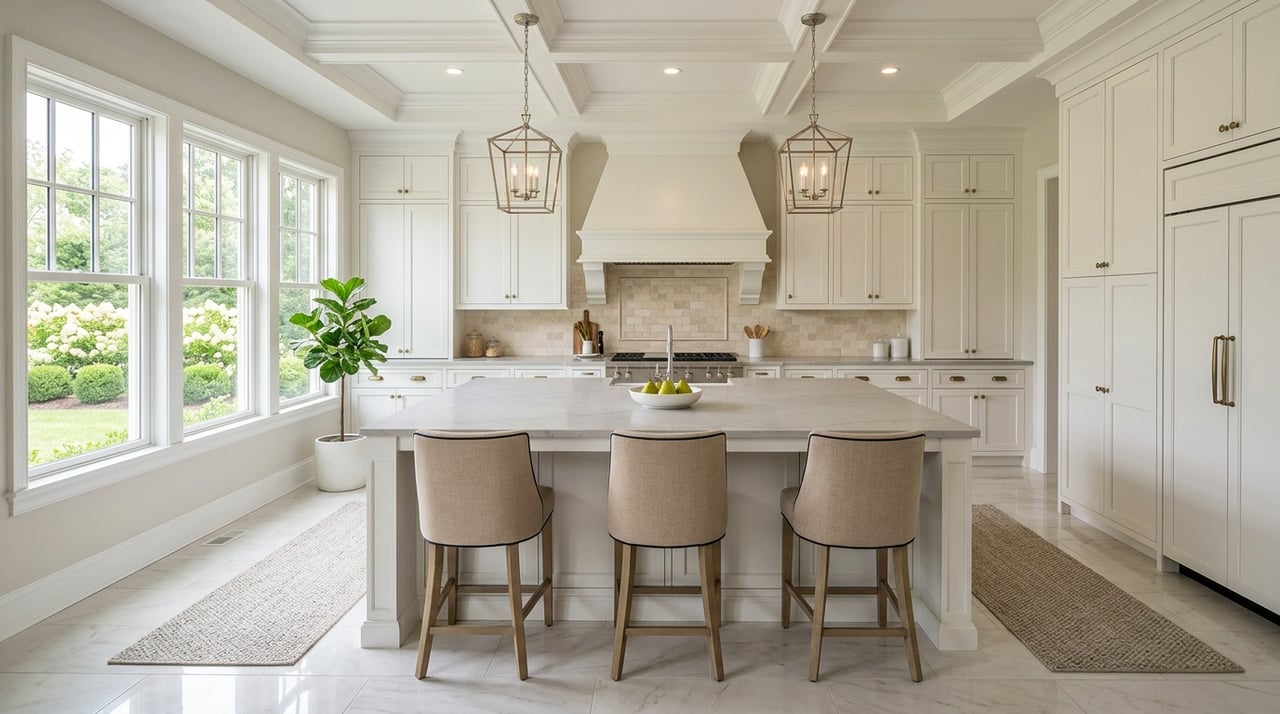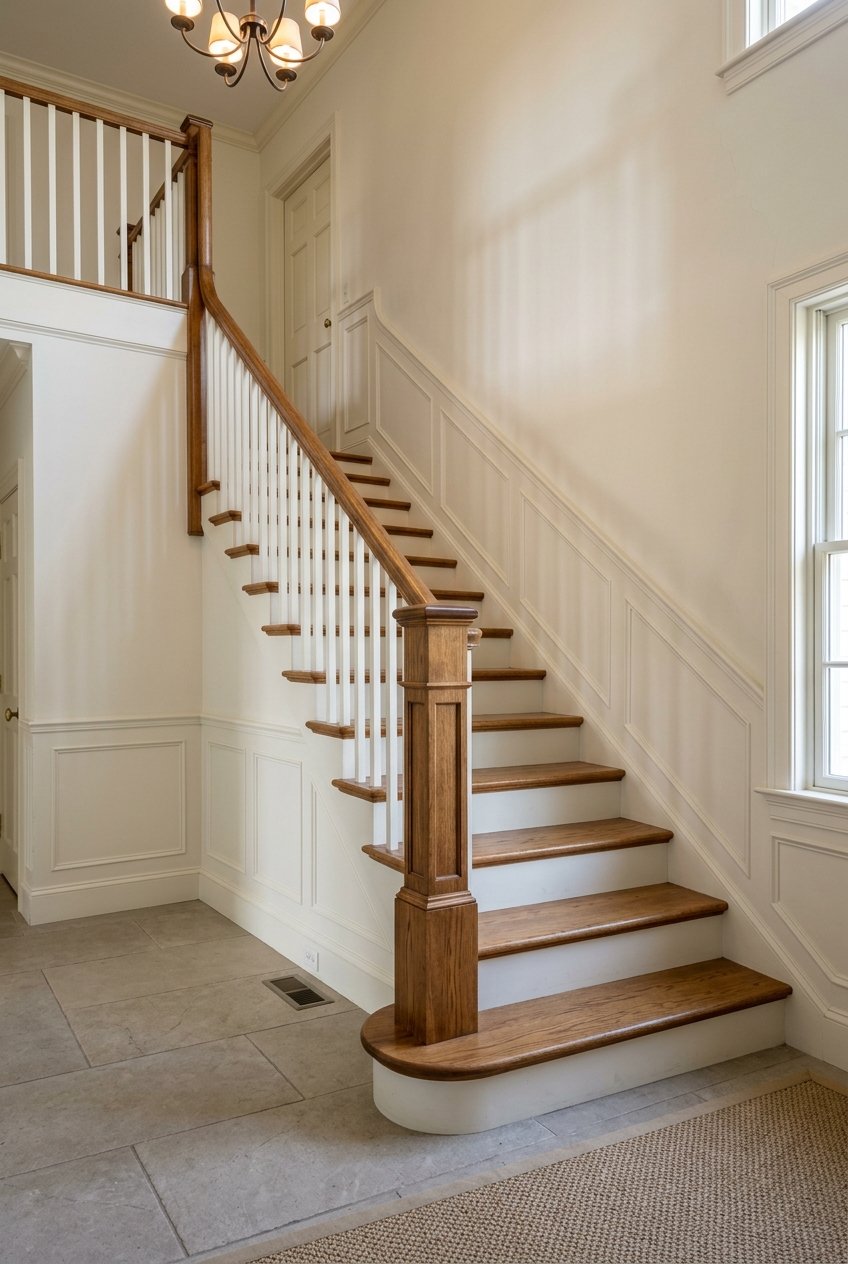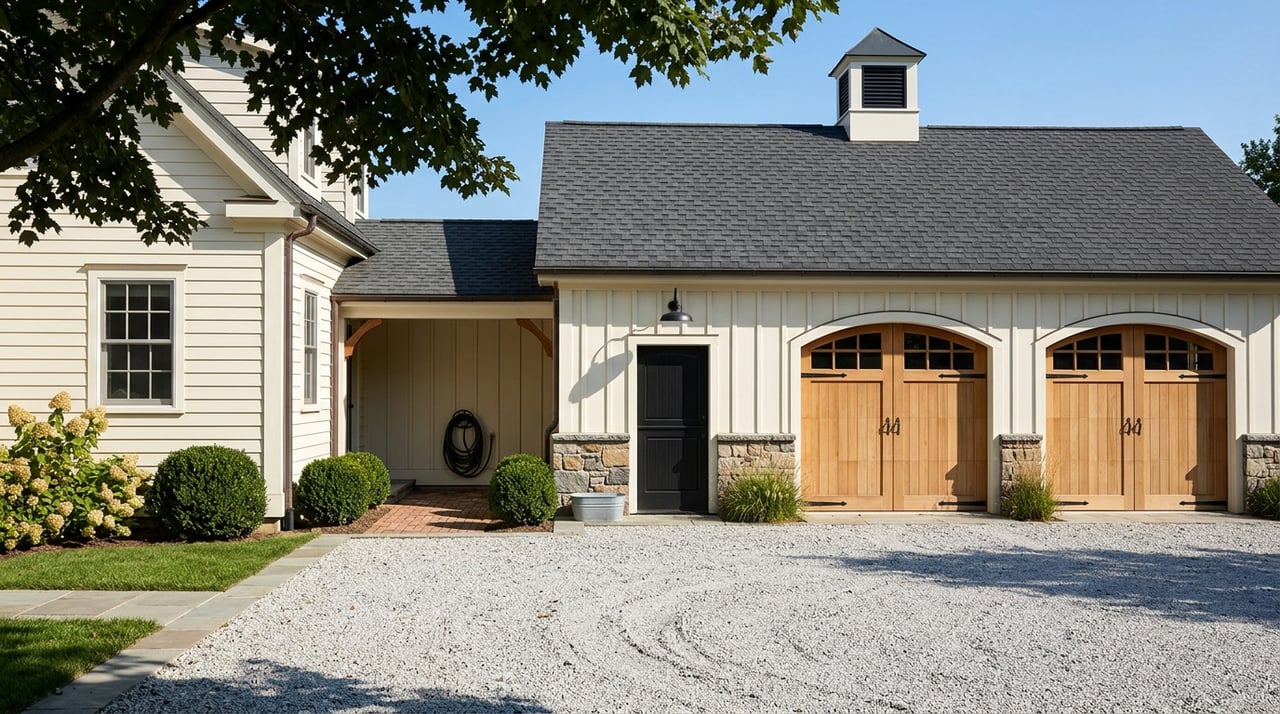
If you picture morning rides, fenced pastures, and a property that supports your horse lifestyle at home, Tewksbury is one of the first places in New Jersey worth a closer look. At the same time, buying in horse country is not just about finding a pretty barn or open acreage. You also need to understand trails, land restrictions, road use, and whether the property truly supports the way you plan to live. Let’s dive in.
Why Tewksbury attracts horse buyers
Tewksbury Township stands out because its landscape and land-use policies have helped preserve a distinctly rural setting. The Highlands Council lists the township at 20,326 acres, or 31.76 square miles, with 13,469 acres in the Preservation Area and 6,857 acres in the Planning Area. The township is also fully conforming with the Highlands Regional Master Plan.
That broader land framework matters when you are looking for horse property. In Hunterdon County, the County Agriculture Development Board reports more than 120,000 farmland-assessed acres, which is about 44% of county land, with an average farm size of 63 acres. The county also notes that horse farms remain popular and support a large hay production base.
Locally, Tewksbury has long leaned into its equestrian identity. The township’s equestrian committee says the township has more than 100 miles of trails and has long centered an equestrian lifestyle. For buyers, that means horse ownership here is part of the local fabric, not an afterthought.
What horse properties often include
One of the useful things to know about Tewksbury is that there is no single template for a horse property. Recent listings show a wide range of acreage and improvements, from smaller hobby-scale setups to larger equestrian estates. That can give you more flexibility depending on your goals, budget, and how many horses you plan to keep.
Examples from recent listings include:
- A 5-acre property with four fenced pastures, a four-stall barn, and a Morton pole barn
- A 17-acre farm with multiple barns, fenced pastures, and secondary outbuildings
- A 27-acre estate with a two-stall horse barn and fenced pastures
- A 33-acre equestrian estate with an eight-stall bank barn, tack and feed room, wash stall, indoor riding ring, outdoor arena, and more than 21 acres of fenced pastures and hayfields
Taken together, those examples suggest that Tewksbury can work for different kinds of horse owners. You may find a property that supports a few horses for personal use, or you may find a more substantial setup with room for training, riding infrastructure, or expanded agricultural use. Still, each property needs to be evaluated on its own facts, not assumed to fit a standard mold.
Trails and riding access matter
For many buyers, trail access is just as important as the barn itself. Tewksbury’s horse culture is supported by a mix of local effort and public resources. The Tewksbury Trail Association says it began with 30 landowners and horses and now includes more than 250 members and over 180 landowners, while developing, maintaining, and marking the township trail network.
That local support network is part of what makes the area appealing. The township also notes that some trails follow local roadways for short distances and that it uses a welcome-basket program for equestrian families moving in. In other words, horse use is recognized here, but access is not always as simple as stepping off your property and riding anywhere you want.
Hunterdon County also identifies Cold Brook Preserve in Tewksbury Township as a riding option, with about 2 miles of horseback riding on farm roads adjacent to fields. The county guide notes parking on Route 517 just north of Oldwick. It also tells riders to bring their own water, contain waste, avoid tying horses to trees, and remove horse waste from parking and picnic areas.
Shared roads are part of daily life
In horse country, road behavior matters for both safety and quality of life. Because some trail segments use local roads for short stretches, you should expect shared-road realities as part of the riding experience in Tewksbury. That is especially important if you are moving from an area where trail systems are more separated from traffic.
New Jersey’s driver manual says motorists must slow to 25 miles per hour or less when approaching or passing a person riding or driving a horse-drawn vehicle. That rule helps support safer road sharing, but as a buyer, it is still smart to think through how a property connects to nearby riding routes. A beautiful farm can feel very different if road access is awkward, busy, or central to every ride.
Legal details are just as important
Horse buyers often focus first on the physical setup, but the legal side can be just as important. Tewksbury’s right-to-farm ordinance explicitly treats horses, ponies, mules, and goats, along with breeding, boarding, raising, rehabilitating, training, or grazing those animals, as agriculture. That is a meaningful point if you plan to use a property for more than simple residential enjoyment.
At the state level, the New Jersey Right to Farm Act protects conforming commercial farms from nuisance claims when they follow accepted practices. That does not mean every parcel can automatically be used in the same way. It does mean that farm status, conformity, and intended use deserve careful review early in the buying process.
The New Jersey State Agriculture Development Committee also notes that preserved farms may qualify for grants for animal waste control facilities, livestock water, deer fencing, and soil and water conservation projects. If you are considering a preserved farm, that can be relevant, but so can the deed restrictions and operating limitations tied to preserved land.
Highlands rules can affect improvements
Because Tewksbury is fully conforming under the Highlands Regional Master Plan, buyers should take barns, arenas, additions, and other site changes seriously from the start. A property may look ideal today, but your future plans may depend on what is already approved and what may require additional review. This is especially important if you expect to expand a barn, add riding infrastructure, or change drainage or land use patterns.
That is why due diligence should go beyond the house and stable. You want to verify whether existing improvements were properly established and whether your intended use lines up with the property’s current status. In an area like Tewksbury, details on paper can matter as much as what you see during a showing.
Questions to ask before you buy
In this market, many buyer questions are not about whether horses are welcome. They are about how a specific property actually functions day to day. Asking the right questions early can save you time, money, and frustration later.
Here are some of the most important ones:
- Is the trail access public, private, or a mix of both?
- Are there known trail rights tied to the parcel?
- Is the property preserved farmland, and if so, what deed restrictions apply?
- Were the barn, paddocks, driveway, and other improvements legally established?
- Does the current setup match your intended use, whether that is personal horse keeping, training, boarding, or agricultural use?
- Will any planned additions or modifications require additional approvals?
These questions are practical, not optional. Tewksbury’s trail network and county preserve resources show that access rules can vary by location, so it is important to verify the exact rights and limitations tied to the property you are considering.
You do not have to keep horses at home
Not every horse buyer wants a full at-home setup. Some buyers want the lifestyle, land, and riding community, but prefer to board nearby. In Tewksbury, that can still be a workable path.
The research points to nearby support options within the township. Dapple Hill Farm operates on roughly 108 acres and offers lessons, training, and boarding. Hart Farm also says it provides a full-boarding facility and lesson program in Tewksbury.
That gives you another way to approach your home search. You may decide to prioritize location, land character, and access to the local equestrian network rather than searching only for a fully improved horse property. For some buyers, that can open up more options while keeping them connected to the lifestyle they want.
How to evaluate a Tewksbury horse property
A smart horse-property search usually comes down to matching the property to your real use case. A beautiful setting is important, but function matters more over time. The right fit depends on how you plan to ride, how many horses you have, and whether you want to manage horses on-site every day.
As you compare properties, focus on three buckets:
Property setup
Look closely at acreage, fencing, pasture layout, barn condition, storage, water access, and riding infrastructure. A smaller property with a practical layout may serve you better than a larger one with awkward improvements.
Access and usability
Understand how you will actually ride from the property. Check whether trails connect directly, require road travel, or depend on private permissions. Daily convenience often shapes long-term satisfaction more than headline acreage.
Legal and land-use fit
Confirm the status of the land and improvements. Review preservation restrictions, agricultural classification, and any approvals that may affect future plans. This is where careful, organized due diligence can make a major difference.
Why local guidance helps
Buying horse property in Tewksbury is more layered than buying a typical suburban home. You are evaluating not only the residence, but also land use, access patterns, existing improvements, and future flexibility. That process benefits from a calm, detail-oriented approach.
For buyers looking across Tewksbury and nearby Hunterdon and Somerset County markets, it helps to work with an advisor who can keep the search structured and the due diligence process moving. Clear communication, disciplined evaluation, and coordination across the transaction become especially valuable when the property includes acreage, barns, or other specialized features.
If you are exploring horse country living in Tewksbury, William Carey can help you assess properties with a practical eye and a well-managed process.
FAQs
What makes Tewksbury appealing for horse property buyers?
- Tewksbury combines preserved rural land, a long-standing equestrian culture, and more than 100 miles of trails identified by the township’s equestrian committee.
What types of horse properties are available in Tewksbury Township?
- Recent listings show a broad range, from around 5-acre properties with fenced pastures and small barns to larger estates with indoor rings, outdoor arenas, and extensive hayfields.
What should buyers know about trail access in Tewksbury?
- Trail access can vary by property and may include public, private, or mixed routes, and some trail segments follow local roads for short distances.
What road rules apply to horseback riding in New Jersey?
- New Jersey’s driver manual says motorists must slow to 25 miles per hour or less when approaching or passing a person riding or driving a horse-drawn vehicle.
What legal issues should horse-property buyers review in Tewksbury?
- Buyers should verify trail rights, preserved farmland restrictions, the legality of existing barns and paddocks, and whether future improvements may be affected by Highlands-related review.
Can you enjoy Tewksbury’s horse lifestyle without keeping horses at home?
- Yes. The research identifies local boarding and training options in Tewksbury, including Dapple Hill Farm and Hart Farm, for buyers who want nearby support instead of an on-site setup.