If you are trying to understand Millington, NJ, it helps to know this first: Millington is less about neatly branded subdivisions and more about a few distinct residential pockets shaped by history, roads, and the rail line. That can make your home search feel a little less straightforward, especially if you are comparing it to towns with clearly labeled neighborhoods. The upside is that Millington offers a more layered housing mix and a setting with real variety. Let’s dive in.
How Millington Is Organized
Millington is one of the named communities within Long Hill Township in southern Morris County. According to Long Hill Township’s general information page, the area developed from early farming and milling activity, then evolved again after the railroad arrived in the late 1800s.
That history still shows up in how Millington feels today. Instead of one large downtown surrounded by uniform neighborhoods, you will find a compact village corridor, older homes along historic roads, and later residential streets woven into the landscape.
The township’s 2023 master plan summary describes the Millington Village zone as running along Long Hill Road between Oaks Road and The Crescent, plus part of Division Avenue south of Long Hill Road. That area includes a mix of uses such as retail, services, offices, restaurants, upper-story apartments, and childcare, which helps explain why the village center feels practical and active without being large.
Millington’s Main Neighborhood Pockets
Station Village Area
The most village-like part of Millington centers around Division Avenue, Oaks Road, and Long Hill Road. This is where everyday destinations cluster, including the train station, post office, and firehouse.
NJ Transit’s Millington Station page places the station on Division Avenue between Oaks Road and Valley Road, with parking on Old Mill Road. Township and historic sources also identify local landmarks nearby, including the post office, the firehouse, and the former Millington Schoolhouse.
If you want a more commuter-oriented setting with a compact village feel, this pocket is usually the easiest one to understand. You are close to rail access and local services, and the streetscape reflects different construction periods rather than one single development era.
What this area feels like
This part of Millington tends to feel convenient, walkable in sections, and historically rooted. Homes and buildings sit near a modest commercial corridor, so the experience is more mixed-use village than quiet cul-de-sac subdivision.
For buyers, that can mean a more varied housing stock and lot pattern. For sellers, it means location value may be tied not just to the house itself, but also to proximity to the station and village amenities.
Cross Hill and Basking Ridge Road Area
Another well-defined pocket sits around Cross Hill Road, Basking Ridge Road, and Carlton Road. The township’s 2025 Historic Sites Survey identifies several older homes and sites here, including the Millington Academy houses on Cross Hill Road, All Saints Episcopal Church on Basking Ridge Road, and older houses on Carlton Road.
This area reads as one of Millington’s clearest older residential clusters. Historic references suggest that several homes are close enough to visit on foot from the station, although the route is uphill, which helps paint a picture of a slightly elevated neighborhood rather than a flat, uniform subdivision.
What this area feels like
If you like older homes and streets with a bit more topographic character, this pocket may stand out to you. The housing pattern here appears more organic, shaped over time rather than built all at once.
That often translates into differences in setbacks, lot shapes, and home styles even within a short distance. It is part of what gives Millington a layered feel.
Long Hill Road Corridor
Long Hill Road functions as a kind of historic spine through Millington. The Historic Sites Survey records a number of notable older properties along this corridor, including farmhouse-style homes, larger historic residences, the schoolhouse, and the railroad station.
In practical terms, this corridor tends to show more age diversity and more variation in lot size than you might expect in a typical suburban neighborhood. The pattern feels tied to the road and rail history of the area, which makes it distinct from places dominated by one builder or one development period.
What this area feels like
You may notice a stronger sense of historic continuity here. The architecture and street pattern suggest gradual growth over time, and that can be appealing if you prefer homes with individual character rather than a highly standardized neighborhood layout.
The township also notes that parts of the south side of Long Hill Road include steep slopes and a mixed streetscape of different architectural styles and construction periods. That detail matters because it helps explain why one block can feel noticeably different from the next.
Housing Styles You May See in Millington
Historic Farmhouse and Colonial Forms
Millington’s older housing stock is anchored by historic farmhouse and Colonial-era forms. The township’s Historic Sites Survey includes examples such as the Dunn-Peck House, described as a traditional farmhouse, and the Einsidler Estate, described as a renovated Colonial Revival five-bay center-hall house with a hipped roof.
If you are shopping in Millington, this means you may come across homes with older proportions, original detailing, and layouts that reflect a different era of construction. In some cases, you may also see buildings that have been reused or converted over time, adding to the sense of architectural layering.
Colonial Revival Influence
Colonial Revival architecture also has a visible place in Millington’s housing mix. That style often appeals to buyers who want traditional symmetry and classic curb appeal while still valuing a historic setting.
Because Millington developed over a long period, Colonial Revival homes may sit near older farmhouse forms or other early structures. That mix is part of what makes the town feel visually varied rather than repetitive.
Later Suburban House Types
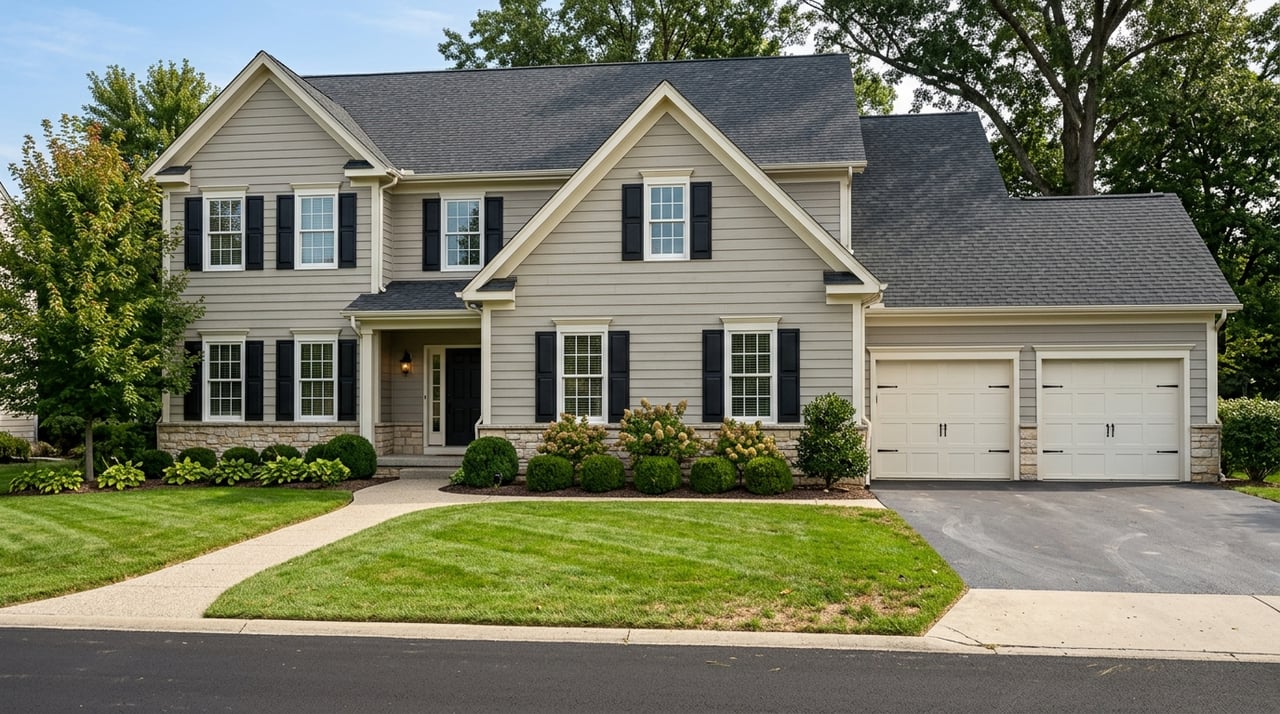
While Millington is known for older homes and historic character, buyers today may also encounter later suburban-era houses. The research provided indicates examples such as ranch, expanded ranch, split-level, and newer-construction colonial homes in the broader Millington housing mix.
The key takeaway is simple: Millington is not limited to one architectural identity. You may find historic homes near the village core, road-oriented older properties along Long Hill Road, and more familiar suburban layouts on later residential streets.
Why Millington Feels Different
Millington’s character comes from the way history, transportation, and landscape overlap. Long Hill Township explains on its history page that the area grew from farming and milling into a railroad-connected community, and it also notes the township’s relationship to the Passaic River and the Great Swamp.
That setting helps Millington feel greener and more topographically varied than a more typical tract-style suburb. You are not just choosing a house style here. You are also choosing between a village-centered setting, older uphill streets, and homes along a historic corridor.
For many buyers, that is exactly the appeal. For many sellers, it means thoughtful pricing and positioning matter because one part of Millington may compete differently than another.
What Buyers Should Keep in Mind
If you are considering Millington, focus on the pocket as much as the property. Two homes with similar square footage can offer very different day-to-day experiences depending on whether they sit near the station, on an older hillside street, or along Long Hill Road.
It also helps to think about your priorities early:
- Do you want easier access to the train station?
- Do you prefer a village setting or a quieter residential pocket?
- Are you drawn to historic architecture or more updated suburban layouts?
- Are lot shape, slope, or road frontage important to you?
Answering those questions can help you narrow the right part of Millington more quickly.
What Sellers Should Keep in Mind
If you own a home in Millington, your property story matters. Buyers are not only evaluating size and condition. They are also trying to understand where your home fits within Millington’s distinct pockets and housing styles.
That is why pricing, presentation, and marketing should reflect the home’s setting and architectural context. A historic farmhouse, a village-area home near the station, and a later suburban split-level may all appeal to different buyers for different reasons.
When you are preparing to sell, a data-driven strategy can help you position those differences clearly and avoid treating Millington as if it were one uniform market. That kind of nuance can make a real difference in both buyer response and final results.
If you are planning a move in Millington or nearby Morris and Somerset County communities, William Carey offers thoughtful, high-touch guidance backed by disciplined market analysis and hands-on coordination from consultation through closing.
FAQs
What are the main neighborhood areas in Millington, NJ?
- Millington is best understood as a few main pockets: the station village area around Division Avenue and Long Hill Road, the older residential area around Cross Hill Road and Basking Ridge Road, and the Long Hill Road corridor.
What housing styles are common in Millington, NJ?
- Buyers in Millington may see historic farmhouse and Colonial-era homes, Colonial Revival architecture, and later suburban house types such as ranches, split-levels, and newer colonial homes.
Is Millington, NJ centered around a downtown?
- Millington has a compact village corridor rather than a large downtown, with a mix of local services, the train station, and community buildings along parts of Long Hill Road and Division Avenue.
Is Millington, NJ a good option for commuters?
- Millington includes NJ Transit rail access through Millington Station, so buyers who want commuter convenience often focus first on the village and station-area pocket.
How should sellers market a home in Millington, NJ?
- Sellers usually benefit from positioning their home based on its specific pocket, setting, and architectural style, since Millington’s housing stock and neighborhood patterns vary more than in a uniform subdivision market.