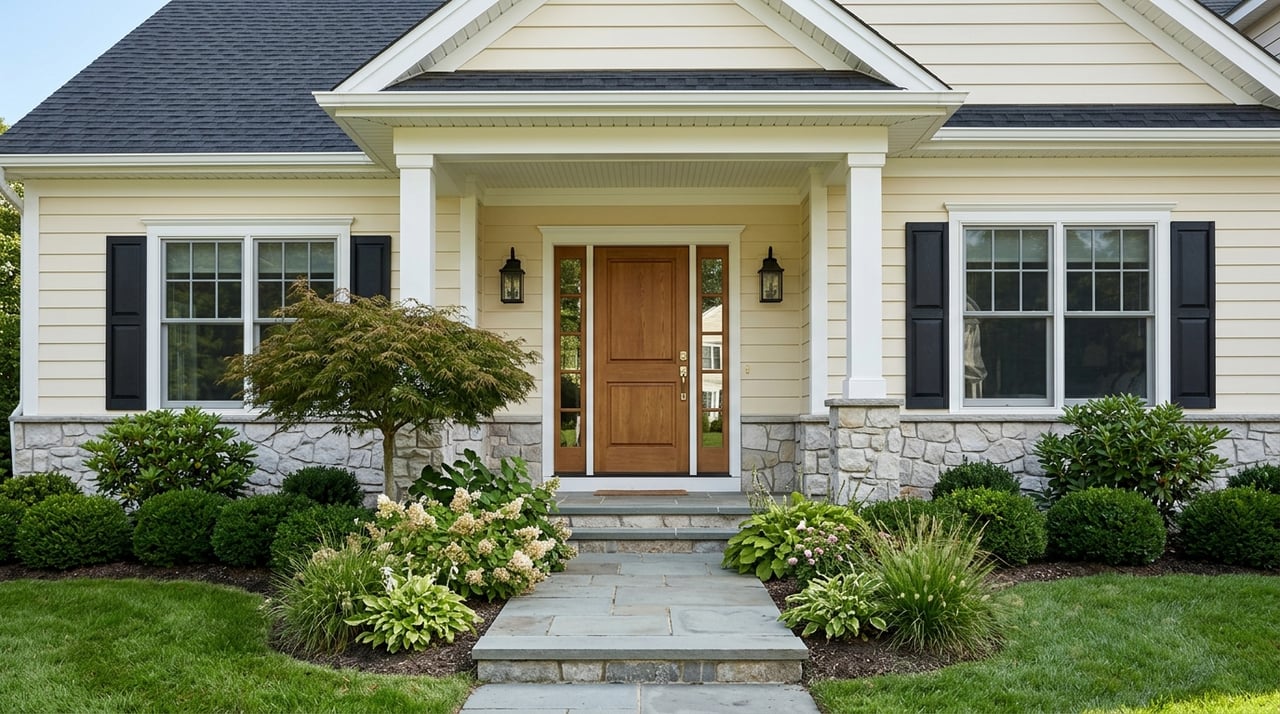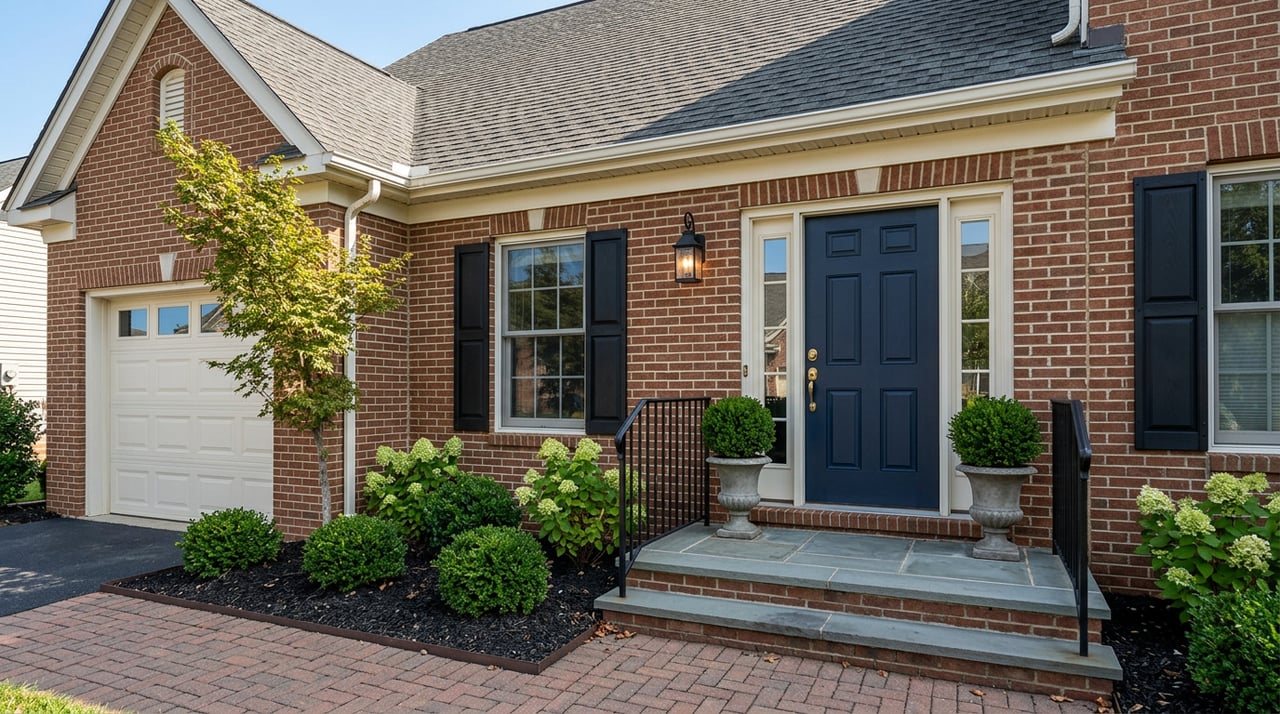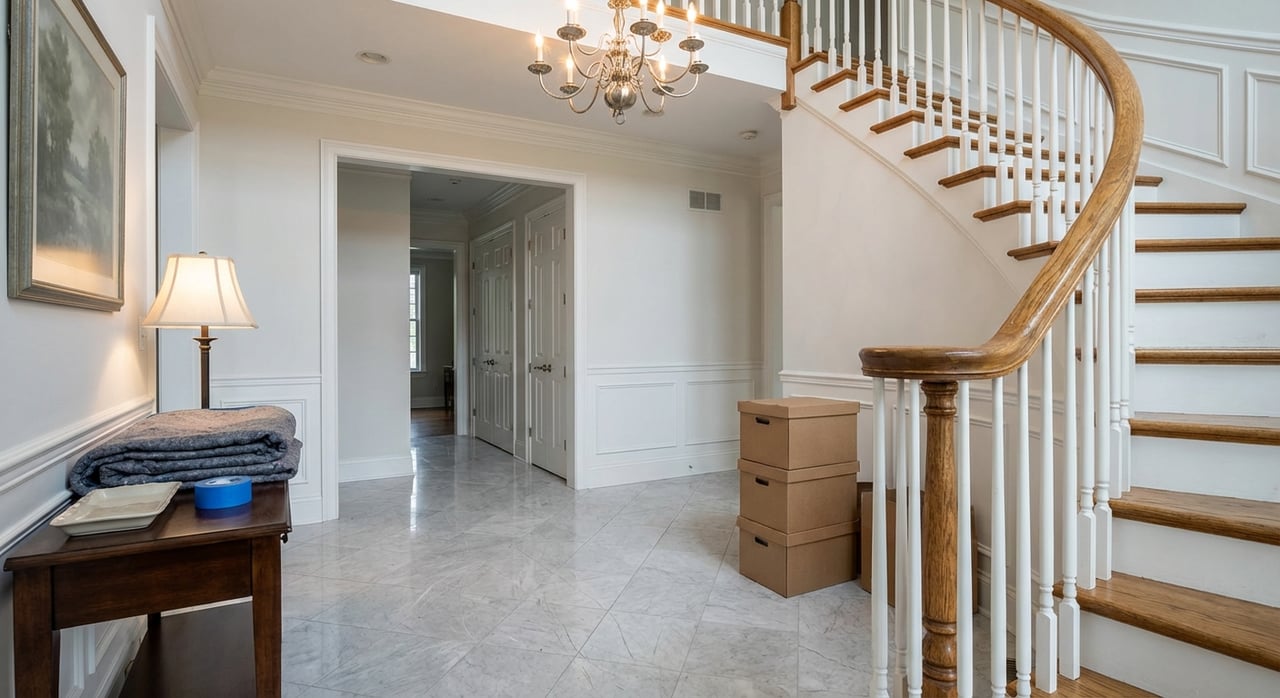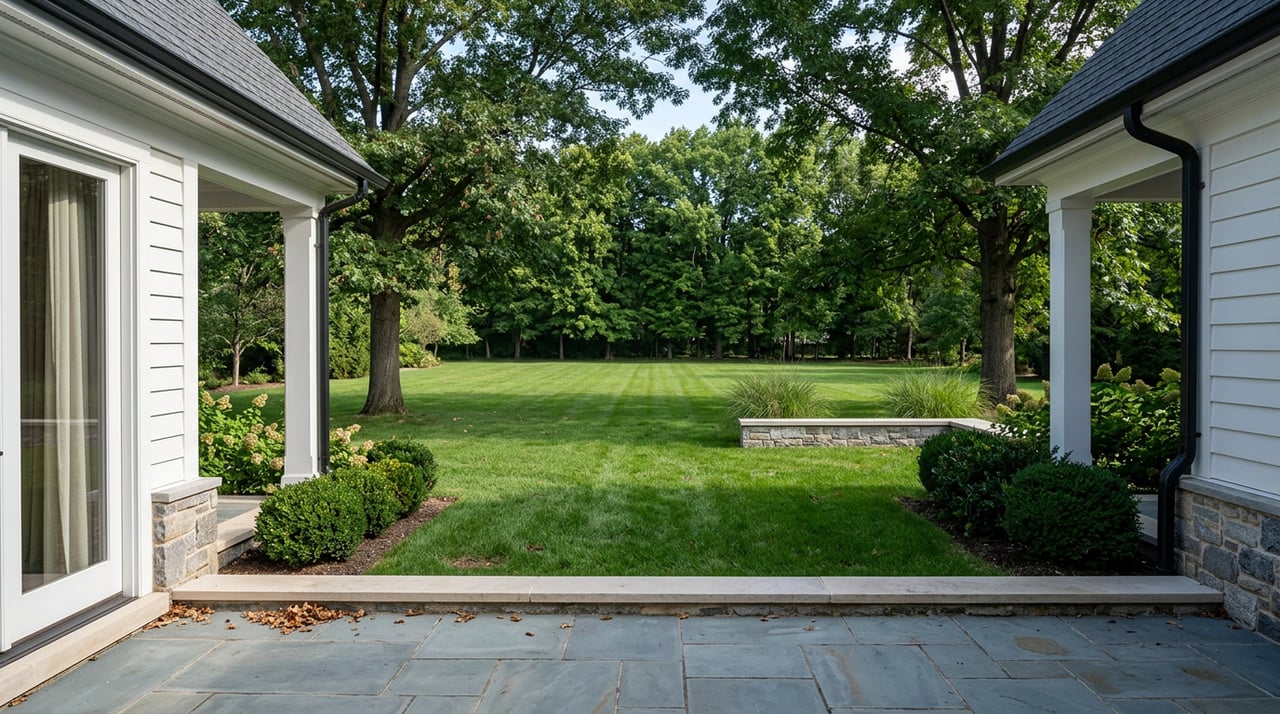
Picture morning light over open fields, a quiet lane to your front door, and enough room for gardens, a barn, or a riding ring. If acreage in Far Hills has been on your mind, you are not alone. The privacy and space are real, and so are the responsibilities that come with them. In this guide, you will learn what daily life feels like, the true costs, the commute and services, and how to do smart due diligence before you buy. Let’s dive in.
What acreage living feels like in Far Hills
Far Hills sits within the Somerset Hills, a region known for estate properties, wooded ridgelines, and a strong equestrian tradition. Many homes offer long driveways, mature trees, and planted buffers that give you privacy and breathing room. The broader area has a country-estate feel that supports barns, gardens, and outdoor entertaining. You will find neighbors who value quiet, acreage, and a slower daily rhythm. For regional context, the Somerset Hills estate market is a helpful reference.
A cultural anchor that sets the tone is the Far Hills Race Meeting, a major annual steeplechase event that highlights the area’s equestrian roots. On a day-to-day basis, most residents pair country living with quick trips to nearby downtowns for dining and errands. For New York access, the Far Hills NJ Transit station on the Gladstone Branch is a key resource.
A day in the life on acreage
Imagine waking to deer across an open meadow, then heading out for a two-mile loop on your own property trails. Midweek, you might catch an early train for a client meeting in the city and return to a sunset dinner on the patio. Weekends often shift to outdoor projects: trimming branches, walking fence lines, or tending a vegetable garden.
Season by season, the property guides your routine. Spring brings drainage checks, driveway touch-ups, and lawn growth. Summer is for mowing, irrigation, and enjoying wide-open space. Fall is leaf management and planning for winter access. Winter puts the focus on plowing the driveway and keeping walkways safe.
Costs to expect and plan for
Taxes and market context
Use taxes and price context to sketch your carrying costs. The 2024 average residential tax bill in Far Hills is $12,542. On pricing, Far Hills has a small number of sales each year, which can make averages swing. The New Jersey Department of the Treasury’s 2024 municipal sales report shows an average residential sales price of $1,518,343.75 in that dataset, based on just four sales. Consumer index sites sometimes show different figures, which is normal when sample sizes are small. For any specific home, rely on recent MLS comparables and a local valuation.
Grounds and landscaping
Large lots cost more to maintain. Ballpark lawn care price ranges run about $60 to $150 per acre per mowing visit, depending on complexity. If you want true estate-grade, full-service care, plan a conservative budget around $800 to $1,600 per acre per month in peak season. Wooded properties also require regular tree care. Typical tree debris removal costs vary widely by tree size and scope. Preventive pruning reduces storm damage and emergency calls.
Septic and well
Many acreage homes use private septic and well. Routine septic tank pumping is a predictable item. Expect typical septic tank pumping costs around $300 to $600, depending on tank size and access. Repairs can range from several hundred to several thousand dollars. Before you buy, ask for recent pump-out and inspection records. For wells, review water test results, pump age, and any filtration systems.
Snow and access
Plan ahead if you have a long driveway. Residential plow service is usually priced either per visit or by seasonal contract. Typical annual snow removal contract costs fall around $300 to $1,000+ per season, or $50 to $200 per visit, depending on length and snowfall. Include line items for ice control, emergency pushes, and keeping delivery turnarounds clear.
Insurance and risk
Multiple structures, barns, and livestock increase coverage needs. Ask your insurer for quotes that list every building on the property and any unique uses. Horse owners often need specific equine liability policies. A careful policy review early in the process can prevent surprises at closing.
Utilities, internet, and site infrastructure
Water and sewer access vary by property. Many Far Hills estate lots rely on private well and septic. Public connections reduce certain maintenance tasks, but confirm capacity and connection details if available. Internet and cell service can also vary across larger parcels. Fiber or cable may be present in village pockets, while outer areas might need fixed wireless or 5G home internet. Verify address-level options with providers during your due diligence.
Environmental and zoning checks
Acreage often includes streams, wetlands, or steep slopes. Before you fall in love with a building plan, review FEMA flood maps and any local overlays. Somerset County directs residents to FEMA resources through its preparedness page. Start with the county’s guidance on storms and mapping, then follow links to FEMA tools from there. You can begin at the Somerset County guidance to FEMA resources.
Zoning drives what you can do on your land. Rules about horses, guest houses, accessory apartments, kennels, or arena lighting are local and lot-specific. Contact the borough planning or zoning office early to confirm permitted uses and any approvals you might need.
Local logistics that shape daily life
Commute and transit
The Far Hills station sits on NJ Transit’s Gladstone Branch with service oriented to Hoboken and connections toward Midtown Manhattan. Peak-hour patterns, transfer points, and express options will change total time. Door-to-door commutes to Manhattan are often in the 60 to 90+ minute range. Check the Far Hills station overview and current schedules to plan your routine.
Schools and programs
Far Hills is served by the Somerset Hills Regional school system for middle and high school students, including Bernards High School. Many buyers consider district offerings and programs when choosing a home. Use official district resources and school visits to understand fit. Always verify enrollment areas and transportation with the district.
Services and vendors
The right vendor team makes acreage living smoother. Useful contacts include landscapers, arborists, septic inspectors and pumpers, well specialists, snow services, fence and arena builders, and, if you plan for horses, equine vets and trainers. Interview two or three providers in each category. Ask for sample contracts, emergency response times, and seasonal plans.
Financing, appraisal, and resale
Lenders often ask for added documentation on large-lot homes. Expect well and septic testing, driveway or road access verification, and possibly a site inspection. Appraisers may use broader-area estate comparables and adjust for unique features like barns, arenas, or significant outbuildings. Because the Far Hills market is small, sales averages can swing from just a few transactions, as shown in the state’s 2024 sales dataset. Lean on current MLS data for value. On resale, acreage draws a lifestyle-driven buyer pool. Marketing windows can be longer in some conditions, but the right buyer can pay a premium for privacy, acreage, and equestrian potential.
Buyer due-diligence checklist
- Recent septic inspection and pump-out receipts, system type, age, and drainfield location. Include septic pumping cost context.
- Well test results for bacteria, nitrates, and flow, plus pump age and any filtration or treatment records.
- Boundary survey and plot plan to confirm usable acres versus wetlands, easements, or rights of way.
- FEMA flood-zone review and any Letters of Map Change. Start with Somerset County’s FEMA guidance.
- Zoning confirmation for intended uses, including horses, accessory apartments, and new outbuildings.
- Copies of current grounds contracts for mowing, snow plowing, and tree care to estimate year-one costs.
- Internet and cell coverage checks at the exact address, plus any public water or sewer availability.
- A list of recent site work and big-ticket items, such as driveway resurfacing, major tree removals, septic repairs, and well repairs.
Is acreage in Far Hills right for you?
If you want privacy, outdoor space, and a refined country setting, acreage in Far Hills delivers. The tradeoffs are predictable and manageable if you budget for grounds care, septic and well, snow, and insurance. Commuting is very doable when you plan around the Gladstone Branch schedule or set a hybrid office routine. Most of all, due diligence protects your investment and preserves your enjoyment of the land.
If you are weighing two to five acres versus a village lot, it helps to see a property-level budget and a clear project plan for the first year. That is where an experienced local advisor makes a difference. For a data-backed valuation, a practical due-diligence roadmap, and introductions to vetted vendors, connect with William Carey for a complimentary consultation.
FAQs
What should I know about Far Hills property taxes on acreage homes?
- The New Jersey Treasury lists Far Hills’ 2024 average residential tax bill at $12,542, useful for quick comparisons across towns. See the state’s average residential tax report.
How long is the train commute from Far Hills to New York City?
- Using the Gladstone Branch, door-to-door trips commonly run about 60 to 90+ minutes depending on time of day and transfer. Review the Far Hills station overview and current schedules before you buy.
What are typical lawn care costs for multi-acre properties?
- Plan roughly $60 to $150 per acre per mowing visit, with high-touch estate maintenance often $800 to $1,600 per acre per month in peak season, based on lawn care price ranges.
What septic upkeep should I expect with a Far Hills acreage home?
- Routine pump-outs typically cost $300 to $600 and you should request recent inspection and pumping records from the seller. See typical septic tank pumping costs.
How do I check if a Far Hills property has flood risk or wetlands?
- Review FEMA flood maps and local overlays early. Somerset County points owners to FEMA resources on its preparedness page; use those tools before planning new structures.