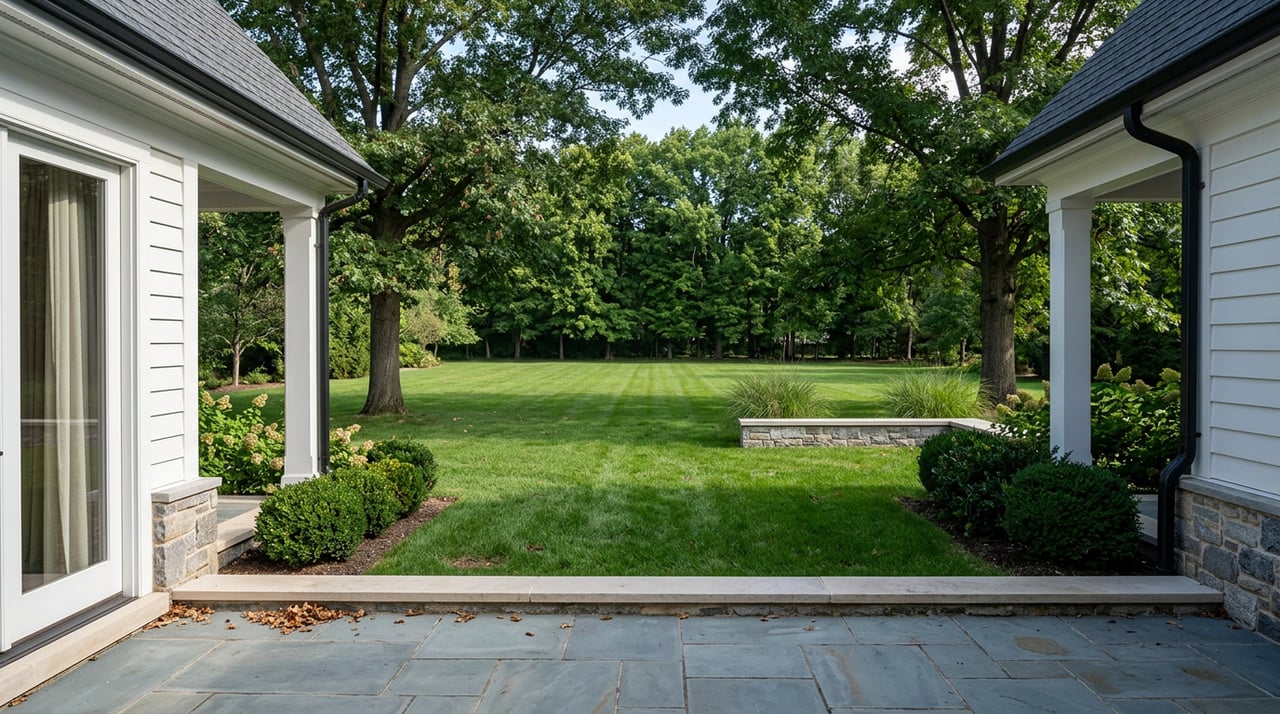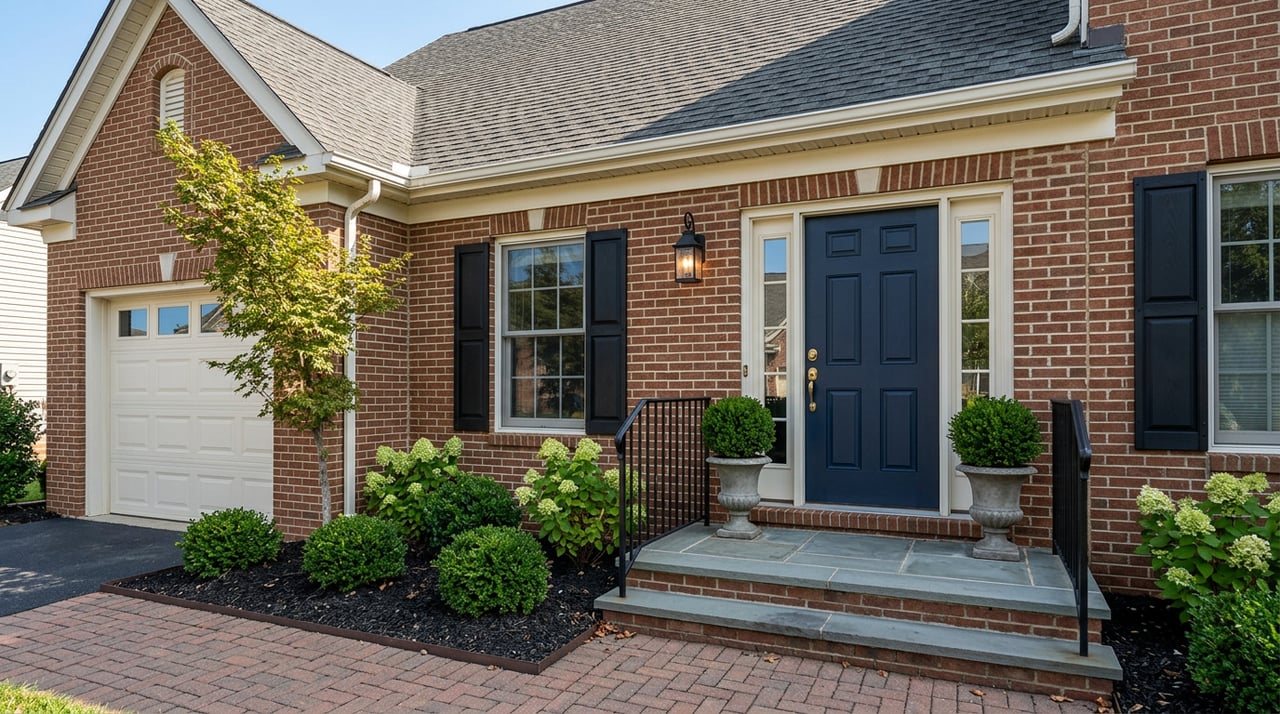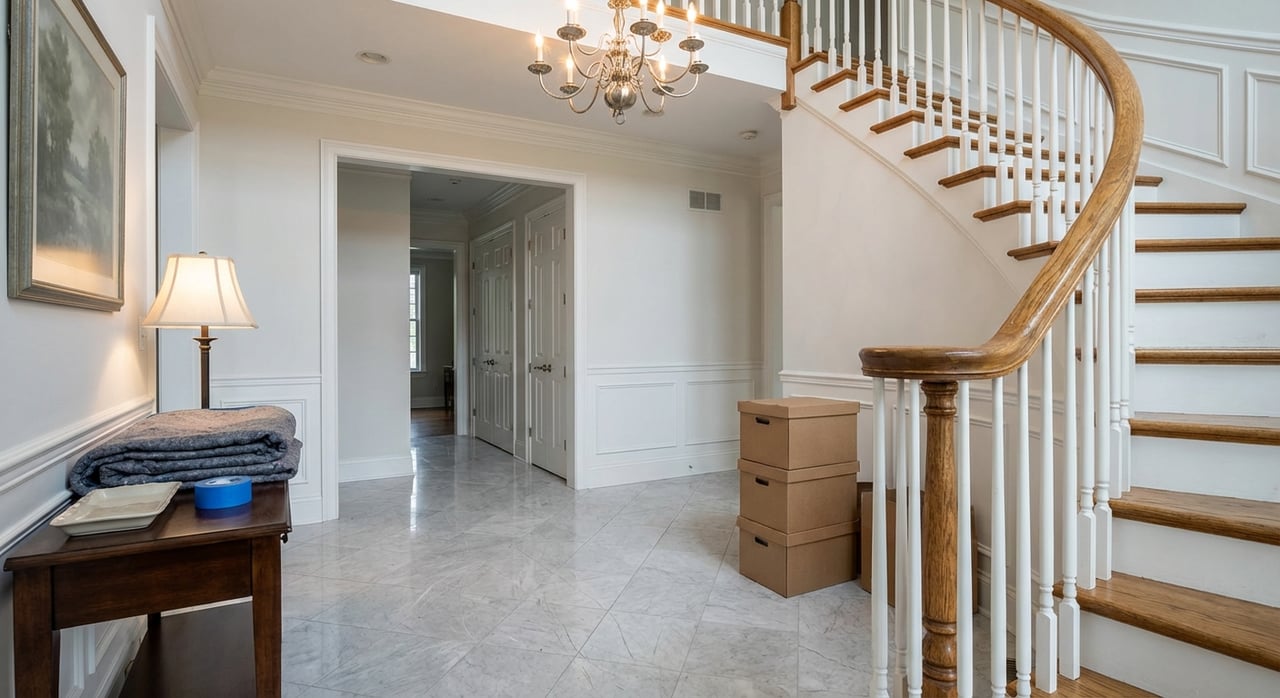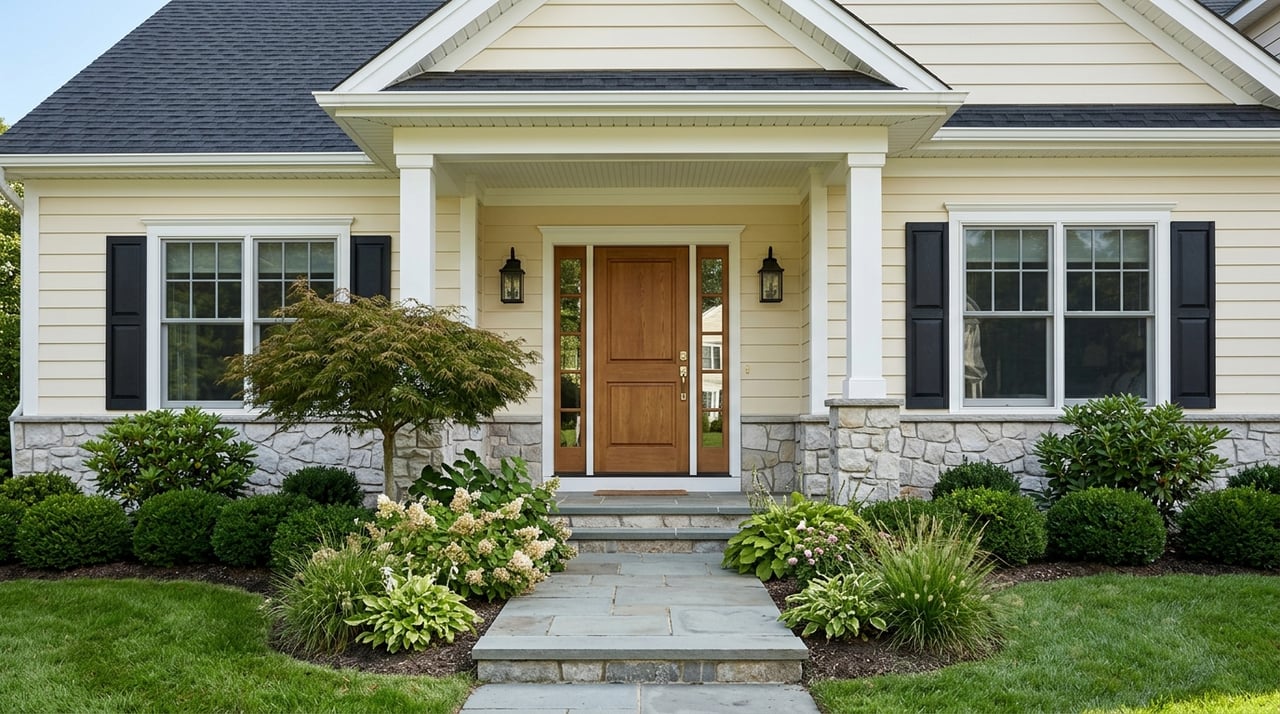
If your Long Hill home feels bigger than your life needs now, you are not alone. Many local homeowners have spent years building equity, routines, and community ties here, but maintaining a larger house can start to feel like more work than reward. The good news is that right-sizing in Long Hill is possible, even if it takes more planning than in towns with a wider mix of smaller homes. This guide will help you understand your in-town options, prepare your current home, and map out a smoother next step. Let’s dive in.
Why downsizing in Long Hill takes planning
Long Hill is an established community with deep roots, and that shapes the downsizing conversation. According to Census QuickFacts and township information summarized in Long Hill’s official materials, the township had a 2020 population of 8,629, with 22.0% of residents age 65 or older and 89.7% of occupied housing units owner-occupied.
That matters because many people considering a move here are not first-time buyers or short-term renters. They are long-time homeowners who want a home that better fits this stage of life while staying close to familiar streets, local services, and daily routines.
Long Hill’s housing stock also explains why downsizing can be tricky. The township’s 2025 Housing Element and Fair Share Plan reports that 83.4% of housing units are detached single-family homes, the median unit has 7.8 rooms, and nearly 75% of homes have seven or more rooms.
In other words, Long Hill has a lot of larger homes and fewer smaller-footprint choices. The same plan notes that 22% of homes were built before 1940 and only 6% were built in 2000 or later, which can add maintenance considerations for owners deciding whether to stay, renovate, or move.
What right-sizing can mean locally
Right-sizing does not always mean moving into the smallest home possible. For many Long Hill homeowners, it means finding a property that better matches how you live now, with less upkeep, fewer unused rooms, or a layout that feels easier to manage.
It can also mean planning carefully so you can remain in town. Long Hill’s official housing plan specifically points to tools such as accessory apartments, rehabilitation of substandard homes, and group homes as part of the township’s broader approach to housing diversity and aging in place, according to the Housing Element and Fair Share Plan.
That does not mean there is broad, ready-to-go inventory in every category. It does suggest that if staying local is your goal, you may need to watch for specific openings, redevelopment progress, or project-based opportunities rather than assume a large pool of choices will always be available.
In-town housing options to watch
For homeowners who want to stay in Long Hill, a few local options stand out.
One existing option is Lounsberry Meadow in Stirling, which the county’s 2025 senior-housing map identifies as a Long Hill senior-housing community with 51 units.
The township’s fair-share plan also identifies a proposed assisted-living facility at 1050 and 1058 Valley Road and a proposed redevelopment at 1106-1122 Valley Road that would add multi-family rental housing, based on the township’s adopted planning document.
There is also a practical infrastructure update that may matter over time. Long Hill announced that New Jersey American Water lifted the township’s voluntary sewer connection ban on October 22, 2025, which should make it easier for new residential projects and connections to move forward than during the ban.
Why timing matters for local buyers and sellers
Because Long Hill still leans heavily toward larger detached homes, smaller or lower-maintenance options may come available unevenly. That means your sale and your purchase often need to be planned together, especially if your goal is to stay in town.
This is where a timeline-driven strategy becomes important. If the right next home is limited, you want to understand what your current home could sell for, what work may be needed before listing, and how quickly you can move when the right opportunity appears.
How to prepare your current home
A successful downsize usually starts well before the sign goes in the yard. In Long Hill, the prep phase can be especially important because many homes are larger, older, and more likely to need selective updates, repairs, or permit coordination before listing.
The township’s Planning & Zoning Department states that a zoning permit is required for many residential changes, including additions, remodeling, and new homes, and that the office coordinates other approvals that may be needed.
If you are thinking about accessibility improvements, exterior work, or pre-sale repairs, build in time early. Waiting too long can create delays with contractors, approvals, inspections, and listing preparation.
A smart pre-listing checklist
Before you commit to a move, focus on the items that affect timing and market readiness most:
- Review your home’s likely market value and equity position
- Identify repairs, deferred maintenance, or safety items
- Ask whether any completed or planned work may require permit review
- Make a plan for decluttering and disposal
- Estimate your preferred move timeline and backup options
- Watch local inventory that may fit your next stage
For many sellers, the biggest relief comes from having one clear plan instead of managing pricing, repairs, cleanout, and move coordination in pieces.
Decluttering in Long Hill without getting stuck
Downsizing often stalls at the cleanout stage. In a long-held home, decades of furniture, paperwork, keepsakes, tools, and household items can turn a simple move into a major project.
Long Hill’s local rules make it important to plan ahead. The township’s sanitation page limits bulky-item pickup to six items, twice a year, during May and October.
That cap matters if you are preparing a full-house sale. A large cleanout usually cannot be handled through curb pickup alone, so you may need a staged plan and, in many cases, outside cleanout help.
Sort items into four buckets
A practical way to keep the process moving is to divide items early into four categories:
- Donate or sell
- Curb-pickup eligible
- Recycling or public drop-off
- Contractor debris or renovation waste
This is especially useful in Long Hill because the township provides several disposal paths beyond bulky pickup. According to the recycling page, scrap metal, appliances, electronics, and TVs are collected every other month, and residents can also drop off eligible electronics at the Public Works Recycling Center in Stirling during posted weekday hours.
The same page also directs residents to Morris County MUA hazardous-waste options and building-debris drop-off days. If your move includes repairs, basement cleanout, or replacement of older materials, those details can save time and reduce last-minute stress.
Services that can help you stay local
For many homeowners, downsizing is not just about square footage. It is also about keeping your routines, support system, and convenience.
Long Hill has local and county resources that can make that easier. Morris County lists the Long Hill senior center at 769 Valley Road in Gillette among county senior centers connected to county nutrition programming, according to the county senior center directory.
The township’s Dial-a-Ride program also supports door-to-door transportation for seniors, people with disabilities, and adults who lack transportation, including trips to shopping, medical and personal-care appointments, the senior center, the library, township services, and recreation or wellness programming, as summarized in the same county resource listing.
County support for more complex transitions
If your move involves caregiving needs, transportation concerns, or a more complicated housing search, county resources may help fill the gaps.
Morris County’s Care Management program provides free services for eligible older adults, including personal care, meals, transportation, and caregiver respite. The county’s Navigating Hope program also offers screenings and referrals for housing, transportation, benefits, legal services, aging services, and related support.
These resources matter because right-sizing is not always a straight real estate transaction. Sometimes the best plan includes both housing decisions and practical support that helps you stay independent and connected.
A better way to approach the move
If you want to right-size without leaving Long Hill, the key is to think in phases, not one big leap. Start by understanding your current home’s value, the likely prep work, and the real availability of smaller local options.
From there, create a timeline that accounts for repairs, permits, decluttering, and the possibility that your next home may depend on a specific opening rather than broad inventory. That kind of planning can reduce stress and help you make decisions from a position of clarity instead of urgency.
If you are weighing whether to sell now, later, or only if the right in-town option appears, talking through the numbers and logistics can help. William Carey brings a data-driven, hands-on approach to pricing, prep, vendor coordination, and timing so you can make a smart move with less friction.
FAQs
What makes downsizing in Long Hill different from other towns?
- Long Hill’s housing stock is dominated by larger detached single-family homes, with 83.4% of units in that category and nearly 75% having seven or more rooms, according to the township’s housing plan.
What in-town downsizing options exist in Long Hill now?
- Official sources identify Lounsberry Meadow in Stirling as a senior-housing community with 51 units, and township planning documents also reference proposed assisted living and multi-family redevelopment along Valley Road.
What should Long Hill homeowners do before updating a home for sale?
- Check early with the township’s Planning & Zoning Department, because zoning permits are required for many residential changes, including some remodeling and exterior work.
How does bulky-item pickup work for a Long Hill downsizing cleanout?
- The township limits bulky-item pickup to six items twice a year, during May and October, so a full-house cleanout usually needs advance planning.
What Long Hill services may help older adults stay local after a move?
- Local and county resources include the Long Hill senior center, Dial-a-Ride transportation, Morris County Care Management, and Navigating Hope for support with transportation, benefits, housing, and related services.