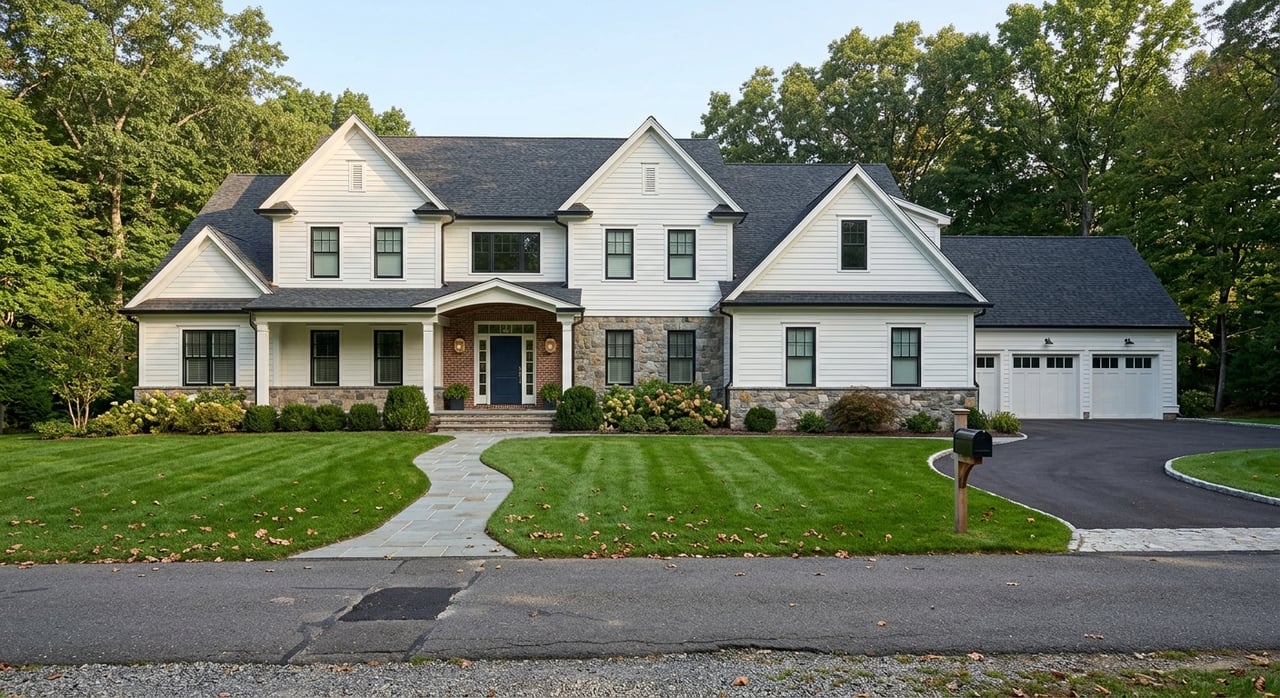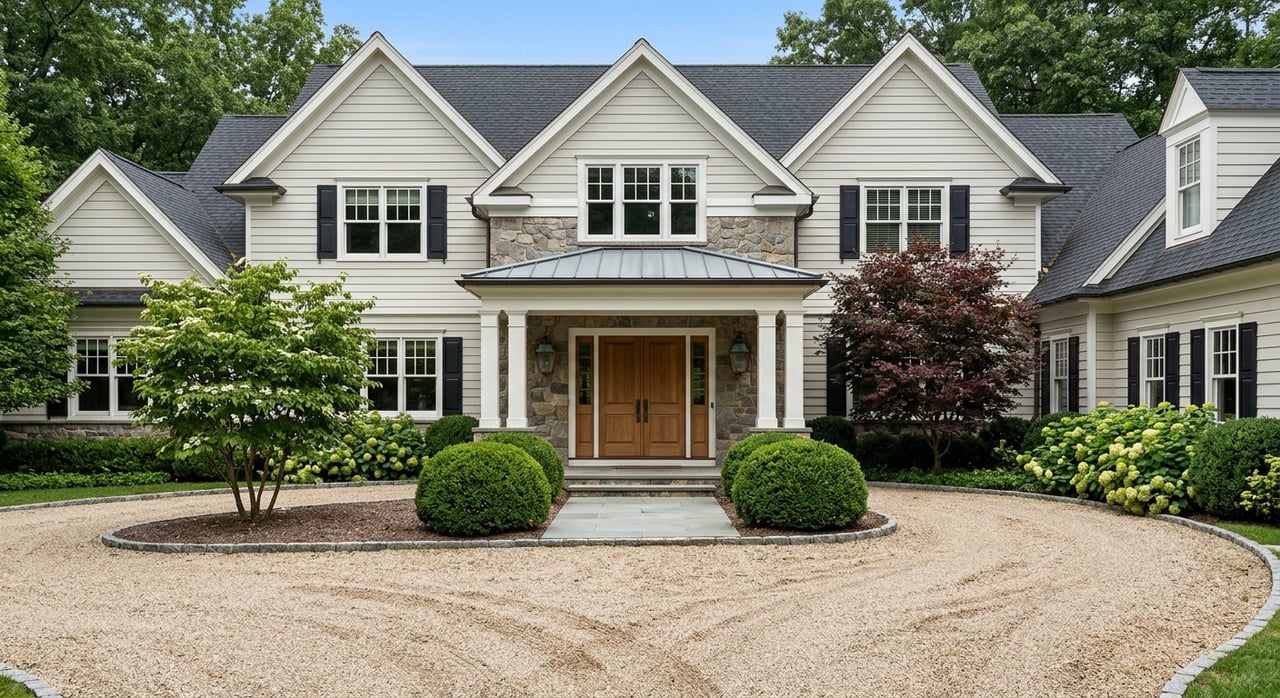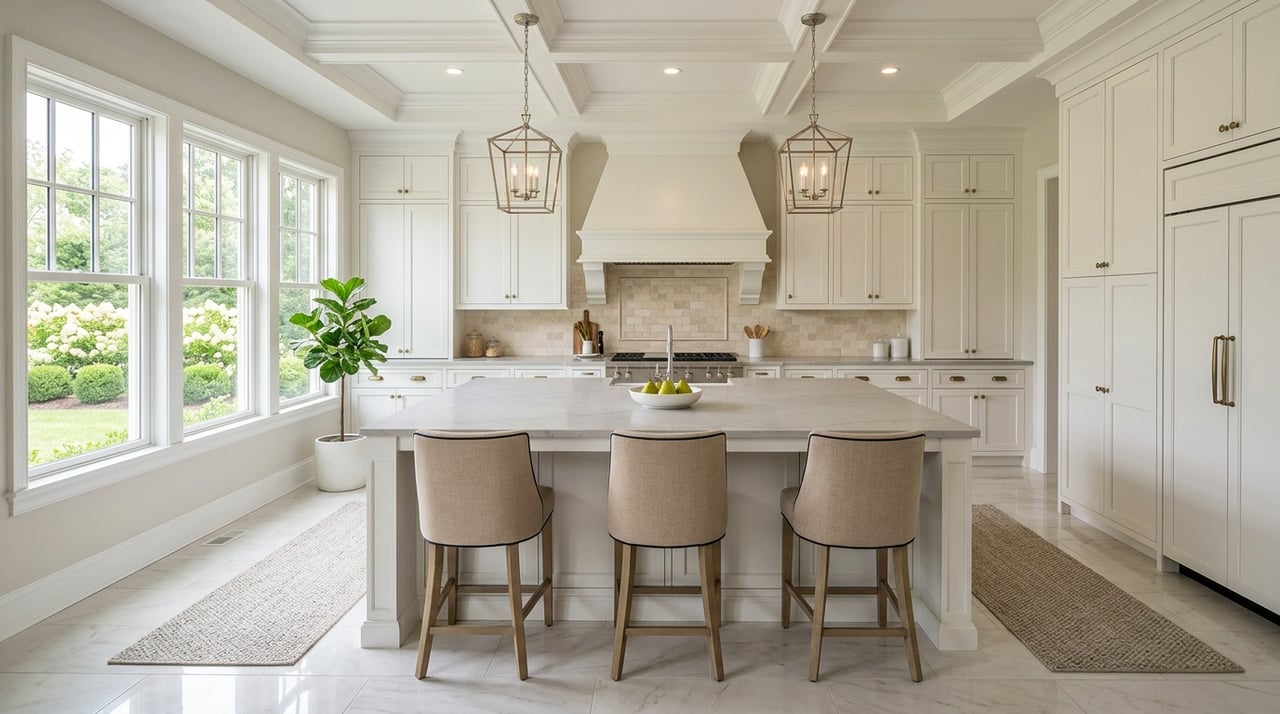
If you are shopping for acreage in Tewksbury, the land itself can matter just as much as the house. A property may look like a simple country retreat at first glance, but zoning, access, septic, well water, and Highlands rules can all shape how you use it over time. If you want to buy with confidence, it helps to know what to check before you fall in love with the views. Let’s dive in.
Why acreage in Tewksbury is different
Tewksbury Township covers 20,326 acres, or 31.76 square miles, and it is fully conforming with the Highlands Regional Master Plan. That matters because two properties with a similar rural feel can sit in very different zoning districts and follow different rules.
The township zoning map includes districts such as Highlands, Lamington, Farmland Preservation, Piedmont, R-1.5 Residential, South Oldwick Residential, Village Residential, Village Business, Village Office, Research Office/Mixed Use, and Mining. In practical terms, acreage is not one-size-fits-all here. Before you focus on the number of acres, you need to understand what the parcel allows and how the land is regulated.
Zoning can shape future plans
If you are thinking beyond the current house, zoning deserves early attention. Future projects like additions, paving, pools, or changes to site layout may involve more review than buyers expect.
NJDEP defines certain residential activity in the Highlands Preservation Area as major Highlands development when it disturbs one acre or more of land or adds a cumulative quarter-acre or more of impervious surface. Agricultural and horticultural development is exempt. For you as a buyer, the takeaway is simple: what you hope to do later should be part of your due diligence now.
Site conditions matter on large parcels
Tewksbury’s development review standards say plans should respect the site’s natural character, drainage system, soil capabilities, groundwater, and aquifer recharge quality. That is a strong reminder that a large parcel is not just open space.
On acreage properties, the shape and condition of the land can affect cost, use, and long-term flexibility. A beautiful setting may still come with practical limits tied to drainage, soils, or groundwater conditions. That is why the land should be evaluated with the same care as the house.
Access is more important than it looks
Acreage buyers often focus on privacy and road frontage, but access can be one of the most important details in the entire transaction. A long driveway or tucked-away home can be appealing, yet the legal and physical setup should be reviewed carefully.
Tewksbury’s code defines access strips and flag lots. That means you should confirm whether the property depends on a shared driveway, easement, or flag-lot configuration before assuming the parcel has standard frontage and straightforward access.
Driveway requirements affect daily life
The township requires driveways to be at least 12 feet wide and to include a widened approach at the road. For long driveways over 500 feet, pull-offs are required every 300 feet unless the township engineer says otherwise.
Those rules are not just technical details. They can affect snow removal, delivery access, guest parking, and emergency response. If a property has a long private approach, it is worth understanding whether it meets local standards and how that setup works in real life.
Visibility and access should be inspected
Subdivision roads must have a minimum 50-foot right-of-way between property lines. The code also requires principal building numbers to be visible from the public street and private roads.
For buyers, this is a useful reminder to treat access as more than a title issue. You want to review the driveway layout, any easements, road approach, and address visibility as part of the inspection process.
Septic and well due diligence is essential
On acreage in Tewksbury, utilities often work very differently than they do in more densely developed areas. Private well water and septic systems are common, so your due diligence should go deeper than a standard home inspection.
NJDEP says about 12% of New Jersey residents rely on private wells. The Private Well Testing Act requires certain sale or lease transactions to test private-well water and have the results reviewed before closing.
Well records and testing deserve early attention
If a property has a private well, ask about testing, system history, and available records early in the process. This is especially important if you are on a tight closing timeline, since gathering and reviewing information can take time.
Hunterdon County Health Department maintains records for septic, well, underground storage tank, construction referrals, complaints, and PWTA matters. PWTA records are released only directly to the property owner, which makes document collection a practical part of the transaction.
Septic capacity can affect future use
NJDEP recommends a septic inspection before purchase. That inspection can help show whether the system is functioning properly and whether it can support future additions, decks, swimming areas, or other construction.
This is one of the biggest practical issues with acreage purchases. If you are buying a property because you expect room to expand or improve it later, septic capacity and system condition should be part of that decision.
Outbuildings can add value or questions
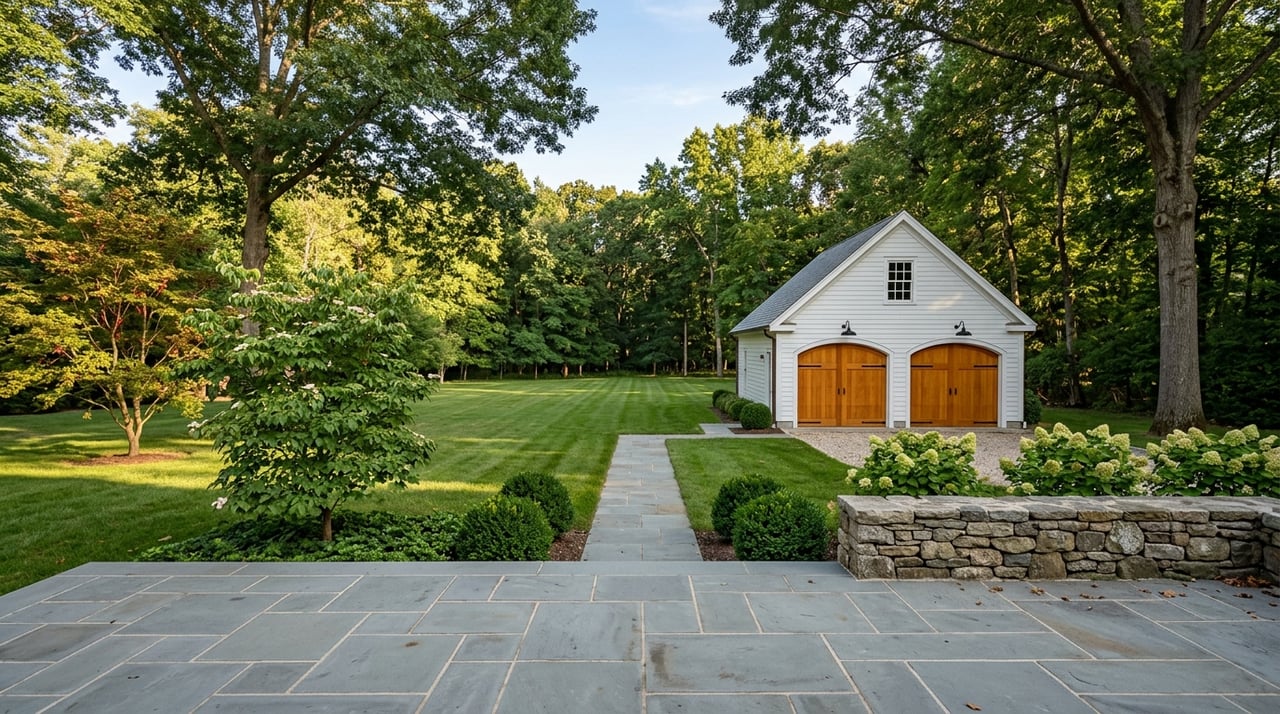
One reason buyers pursue acreage is the flexibility that comes with extra space. Barns, garages, sheds, and other structures can be a major plus, but only if they are properly understood and permitted.
Tewksbury defines accessory structures broadly to include garages, carports, barns, kennels, sheds, non-portable pools, and guest houses. The township also says a storage shed large enough to hold road-licensed or farm vehicles is treated as a garage.
Classification matters more than buyers expect
That broad definition means you should confirm how each outbuilding is classified and permitted. A structure that looks like a simple shed may be treated differently under local rules based on its size or use.
Ask for permits, approvals, and any available documentation for additions and accessory structures. Clear records can make ownership simpler and can also help when financing, insuring, or eventually reselling the property.
Farm-related uses have separate rules
On farm properties, Tewksbury allows certain accessory dwellings on lots of at least 20 acres with a principal farm use. These units are limited to 900 square feet, must have separate access, adequate water and sewage disposal, appropriate parking, and must be on property under Farmland Assessment.
Tewksbury’s affordable-housing ordinance also allows accessory apartments in some districts, including units created within an existing dwelling, an existing structure on the lot, or an addition. Those units must comply with state and building code requirements and have adequate water and septic capacity.
If you are considering a property for its flexibility, the lesson is to verify the exact status of any existing or potential accessory space. Assumptions can be costly on acreage.
What makes acreage more usable
In Tewksbury, the most appealing parcel is not always the one with the highest acre count. In many cases, the more valuable property is the one that is easier to access, document, maintain, and use.
Land with clear driveway access, documented septic and well systems, and permitted outbuildings is often easier to finance, insure, occupy, and resell than land with unresolved access or regulatory questions. That does not mean a more complex property is a bad purchase. It means you should price the complexity into your decision.
A practical acreage checklist
When you are evaluating land in Tewksbury, a structured review can help you avoid expensive surprises. Here are the key items to confirm before moving forward:
- Confirm the zoning district for the parcel
- Ask whether the property sits in the Highlands Preservation Area
- Review driveway access, easements, and any flag-lot or shared-access setup
- Verify septic and well records
- Ask for the location, age, and repair history of septic and well systems
- Check permits for additions, pools, barns, garages, sheds, and other outbuildings
- Ask whether farmland-related rules or Farmland Assessment apply
- Consider how drainage, soil conditions, groundwater, and aquifer recharge may affect future plans
For many buyers, this kind of property search is where experienced coordination makes a real difference. A disciplined process can help you compare acreage options based on actual use and long-term fit, not just first impressions.
If you are considering acreage in Tewksbury and want a clear, detail-oriented approach, William Carey can help you evaluate the practical side of each property and navigate the process with confidence.
FAQs
What should you check before buying acreage in Tewksbury?
- Start with zoning, access, septic and well records, outbuilding permits, and whether the property is in the Highlands Preservation Area or subject to farmland-related rules.
Why does zoning matter for Tewksbury acreage?
- Tewksbury has multiple zoning districts, and parcels with a similar rural feel can be governed by very different standards for use, development, and future improvements.
What access issues matter on a large Tewksbury property?
- You should verify whether the property uses a shared driveway, easement, access strip, or flag-lot configuration, and review how the driveway layout affects everyday use and emergency access.
Why are septic and well records important for acreage homes in Tewksbury?
- Private systems can affect current function and future plans, and records from the county and property owner can help clarify testing, permits, system history, and potential limitations.
Do outbuildings need extra review when buying acreage in Tewksbury?
- Yes. Barns, garages, sheds, guest houses, and similar structures may be classified and regulated differently, so you should confirm permits, approvals, and how each structure is treated under township rules.