Buying your first home in Stirling can feel exciting and intimidating at the same time. You may be trying to balance home prices, monthly costs, financing options, and the pressure of moving quickly when the right house hits the market. The good news is that with a clear plan, you can shop smarter, avoid common mistakes, and feel more confident through each step. Let’s dive in.
Understand the Stirling market
Stirling is one of four communities in Long Hill Township, along with Gillette, Millington, and Meyersville. For first-time buyers, that matters because your home search may naturally expand beyond one mailing address and into the broader township market.
Local housing costs set the tone for what to expect. Long Hill Township’s 2020 to 2024 data shows a median owner-occupied home value of $697,100, a median monthly owner cost with a mortgage of $3,849, and a median gross rent of $2,329. If you are moving from renting, the jump into ownership can be meaningful.
Recent market snapshots also suggest that Stirling is not a slow market. Reported data shows a median sale price of $740,557 in May 2026, with homes selling in about 18 days, while Long Hill Township homes sold in about 20 days and around 7.4 percent over list price. In practical terms, that means you should be prepared before you start serious touring.
Know what first-time buyers usually see
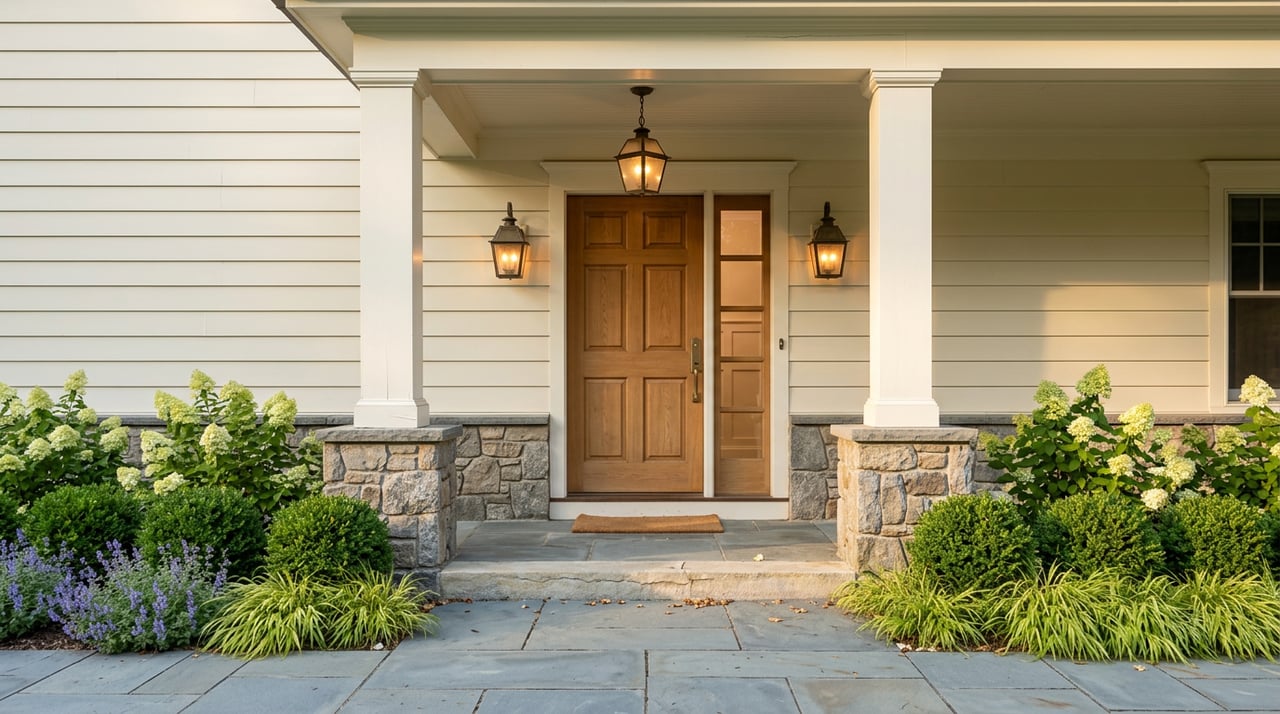
In Stirling, first-time buyers are likely to see a mix of older detached homes rather than a large supply of brand-new starter houses. Active listings point to ranches, split-levels, center-hall colonials, Arts & Crafts colonials, and other two-story homes built across many decades, including the late 1800s through the 1990s.
That range creates opportunity, but it also brings tradeoffs. Older homes may offer more charm, mature lots, and established streetscapes, but they can also require more attention to systems, maintenance, drainage, or renovation planning.
Current township listings show detached homes roughly ranging from the low-to-mid $500,000s up to well above $1 million. Nearby condo options within about a mile of Stirling have been listed at lower price points, including around $295,000 for a one-bedroom unit and $478,500 for a two-bedroom unit. If you are moving from a condo or apartment into a detached house, your monthly budget may need to stretch more than you first expect.
Build a realistic buying budget
Your purchase price is only one part of the story. Your monthly housing payment may include:
- Mortgage principal and interest
- Property taxes
- Homeowners insurance
- Mortgage insurance, if applicable
- Flood insurance, if needed
- HOA dues, if applicable
Closing costs also matter. Consumer guidance in the research report notes that closing costs typically run about 2 percent to 5 percent of the purchase price, separate from your down payment. On a higher-cost market purchase, that can add up quickly.
A smart first step is to decide on a monthly payment that still leaves room for everyday life. You want a home you can comfortably afford, not just one that a lender says you may qualify to buy.
Explore New Jersey first-time buyer help
If saving for a down payment has been your biggest hurdle, New Jersey programs may help. NJHMFA considers you a first-time buyer if you have not owned a home in the last three years.
NJHMFA’s statewide Down Payment Assistance Program offers up to $15,000, based on the county where the property is located, as an interest-free five-year forgivable second loan when paired with an NJHMFA first mortgage. Eligible first-generation buyers may also qualify for additional assistance, bringing total support to $17,000 to $22,000.
NJHMFA also notes that participating lenders handle both the first mortgage application and the down payment assistance loan application. Programs such as Homeward Bound and HFA Advantage may also be paired with assistance, depending on eligibility.
Get preapproved early
In a market where homes can sell in about 18 to 20 days, timing matters. A seller may expect a preapproval letter before accepting an offer, and those letters can expire, often after 30 to 60 days.
That is why it helps to start your financing conversation before you fall in love with a particular house. You will have a better sense of your payment, your price range, and the documents needed to move quickly if the right home comes up.
Preapproval also helps you avoid shopping outside your comfort zone. When you know your numbers, you can focus on homes that truly fit your plan.
Focus on property-specific risks
Stirling’s location comes with features many buyers appreciate, but it also means you should look closely at each property. Because Long Hill Township borders the Passaic River and the Great Swamp National Wildlife Refuge, flood and drainage conditions can vary from one lot to another.
Do not assume every home carries the same level of risk. Ask about property-specific flood or disaster concerns, and pay close attention to lot grading, water patterns, and any history of drainage issues.
This is especially important when you are considering older homes or lower-lying properties. A careful review now can help you avoid surprises later.
Never skip the home inspection
For many first-time buyers, the inspection is one of the most valuable parts of the process. The research report notes that an inspection clause can make your offer contingent on an acceptable inspection result.
That protection matters in a market with older housing stock. A home may look move-in ready on the surface, but an independent inspection can uncover issues with the roof, foundation, plumbing, electrical systems, moisture, or deferred maintenance.
An inspection does not guarantee a perfect house. It does give you a clearer picture of what you are buying and whether repairs or further review are needed before closing.
Move through the process step by step
A clear roadmap makes first-time buying less stressful. The homebuying process outlined in the research report generally looks like this:
- Check your credit
- Decide how much you want to spend
- Explore mortgage options
- Get prequalified or preapproved
- Find the right home
- Compare at least three Loan Estimates
- Choose your loan
- Shop closing services
- Close on the home
You do not need to do everything at once. The goal is to move forward in the right order so that each decision supports the next one.
Prepare for a faster offer process
Because the local market can move quickly, your offer strategy should be thoughtful and organized. Price matters, but in a competitive market, clean terms and strong preparation matter too.
Before you start touring seriously, try to have these basics ready:
- A current preapproval letter
- Funds available for earnest money and closing costs
- A clear monthly budget ceiling
- A list of must-haves and nice-to-haves
- Flexibility to act when the right home appears
This kind of preparation helps you make decisions with less stress. It also reduces the chance that you will lose time gathering documents while another buyer moves ahead.
Think beyond the house itself
Your first home is also about how the property fits your daily routine. Stirling Station on NJ TRANSIT’s Morris & Essex line has parking available, which may matter if commuting is part of your weekly schedule.
You may also notice civic and public-use locations, such as Central Middle School on Central Avenue, as you tour the area. When comparing homes, it can help to think practically about travel patterns, parking, lot size, upkeep, and how an older home may fit your lifestyle over the next several years.
Know what happens before closing
Once you are under contract, there are still important steps ahead. The Closing Disclosure must be delivered at least three business days before closing, and the final closing process can take several weeks as documents are reviewed and signatures are completed.
This is another stage where organization matters. You may be coordinating lender requests, inspection follow-up, insurance details, and final funds, all while preparing for your move.
A calm, structured approach can make the last stretch feel much more manageable. First-time buyers often feel the most stress near the finish line, but this is also when good planning pays off.
Why guidance matters in Stirling
Buying your first home in Stirling is not only about finding a house you like. It is about understanding a thin market, budgeting carefully in a higher-cost area, evaluating older homes with a sharp eye, and staying ready to act when a strong opportunity appears.
That is where thoughtful guidance can make a real difference. When you have someone helping you interpret pricing, compare tradeoffs, and stay organized from search to closing, the process becomes much easier to manage.
If you are planning your first home purchase in Stirling or another nearby New Jersey market, William Carey can help you build a smart strategy and move forward with confidence.
FAQs
What is the typical price range for a first home in Stirling, NJ?
- Current detached-home listings in Long Hill Township start around the low-to-mid $500,000s, while Stirling’s reported median sale price was about $740,557 in May 2026.
How fast do homes sell in Stirling, NJ?
- Recent market snapshots show homes selling in about 18 days in Stirling and about 20 days in Long Hill Township, so you should be prepared to act quickly.
Are there first-time home buyer programs in New Jersey?
- Yes. NJHMFA offers down payment assistance up to $15,000 statewide for eligible buyers, and eligible first-generation buyers may qualify for total assistance of $17,000 to $22,000.
How much should I budget for closing costs on a Stirling home?
- The research report notes that closing costs typically range from 2 percent to 5 percent of the purchase price, separate from your down payment.
Why is a home inspection important for older Stirling homes?
- Stirling buyers often see homes built across many decades, so an independent inspection can help identify issues with major systems, structure, moisture, or deferred maintenance before closing.
Should I worry about flood risk when buying in Stirling, NJ?
- You should check each property individually. Because Long Hill Township borders the Passaic River and the Great Swamp National Wildlife Refuge, drainage and flood concerns can vary by lot and home.